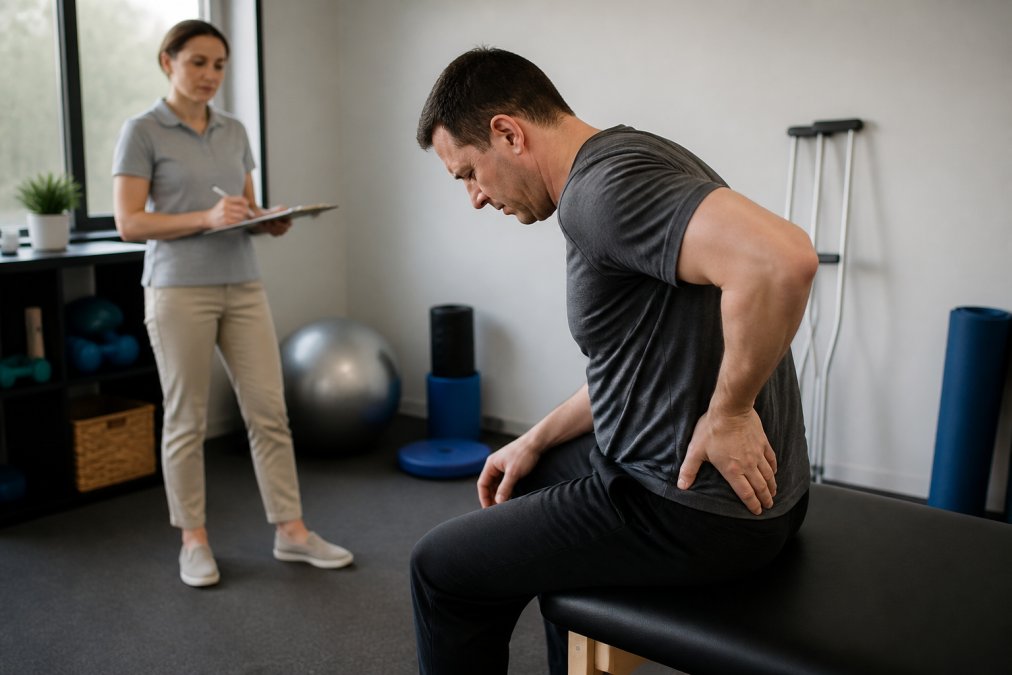
 how-to
Why Physical Therapy Failed My Back: Causes & Next Steps
Table of Contents
- The Gap Between Symptom Relief and a Real Recovery Plan
- Signs Physical Therapy Is Not Working for Your Back
- Why Physical Therapy Failed Your Back: Root Causes vs. Symptom Management
- How to Manage Chronic Back Pain Without Surgery
- The McKenzie Method for Back Pain: A Different Approach to Assessment
- Psychological Barriers and Diagnostic Limitations in Recovery
- Conclusion
- Frequently Asked Questions
Last Updated: September 19, 2026
The Gap Between Symptom Relief and a Real Recovery Plan
If you're asking why physical therapy failed my back, you're not alone. Many people finish a course of care feeling no better than when they started. At Spinal Haven, we hear this often from active adults in Royal Oak, Birmingham, and Ferndale.
The problem is rarely effort. It's the plan.
Most clinics treat the spot that hurts. They hand you a sheet of exercises and send you on your way. That approach can quiet a symptom for a few weeks. It rarely fixes the cause.
Real recovery means finding what drives the pain and building a plan around it. Below, we break down the warning signs, the root causes, and the steps that actually move you forward.
Signs Physical Therapy Is Not Working for Your Back
The clearest sign physical therapy is not working is a lack of change in your daily function after several weeks. Pain that stays the same, or shifts to new areas, is a signal to reassess.
Watch for these warning signs:
- Your pain returns as soon as you stop sessions
- You get the same exercises every visit, no matter how you feel
- No one has watched how you move or bend
- You still can't lift, sit, or sleep without pain
- Your therapist treats symptoms but never explains the cause
- Progress stalled after the first two or three weeks
A common mistake is waiting too long. If nothing changes after a few weeks of consistent effort, ask why. A good plan should show steady gains in how you move, not just how you feel.
Why Physical Therapy Failed Your Back: Root Causes vs. Symptom Management
Physical therapy often fails because it targets where pain shows up, not where it starts. Treating the symptom can bring short-term relief while the real driver keeps working in the background. The result is a cycle: you feel better for a few weeks, then the pain returns the moment you resume normal activity.
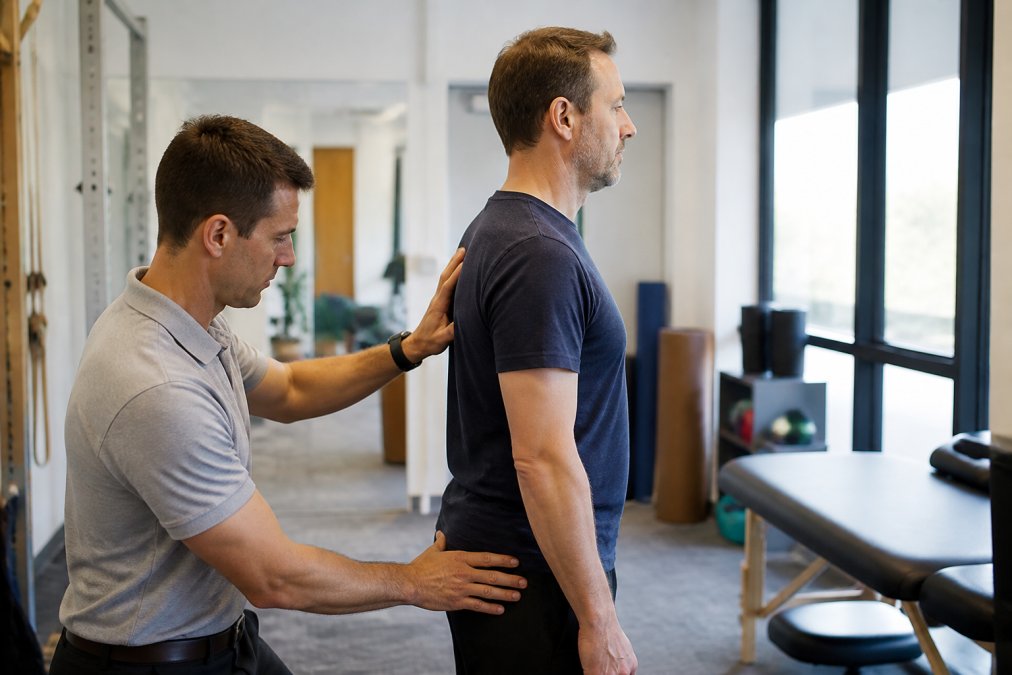
The Missing Biomechanical Assessment
A biomechanical assessment looks at how your whole body moves, not just the sore spot. Many courses of care skip this step entirely. Without it, a therapist may miss that your back pain comes from how your hip moves, how your ankle tracks, or how you control your spine during a simple bend.
Consider a common pattern: a patient presents with low back pain that worsens with sitting.
Generic Protocols vs. Individualized Care
Generic protocols assume every back is the same. They are not.
- A clear functional baseline (what you can and cannot do today)
- Specific, measurable goals (e.g., sit for 30 minutes without pain, lift a 20-pound box)
- A progression timeline with checkpoints
- Education on what to expect and why
The Role of Lifestyle Factors
Even the best plan can fail if lifestyle factors work against it. Sleep, stress, and daily activity levels all influence how your back heals.
When to Seek a Second Opinion
If you have completed several weeks of physical therapy with no functional improvement, it is reasonable to seek a second opinion. Look for a provider who performs a full movement assessment, explains the root cause, and builds a plan around your specific goals. Ask direct questions: What is driving my pain? What is the plan to fix it? How will we measure progress?
Neurological vs. Musculoskeletal Pain Indicators
Not all back pain is the same. Musculoskeletal pain typically responds to movement and loading. Neurological pain, caused by nerve compression, may come with numbness, tingling, weakness, or pain that radiates down the leg. If your symptoms are neurological, the approach must change. A plan that ignores these indicators will fail. A proper assessment screens for them and adjusts accordingly.
Failed Back Surgery Syndrome (FBSS) Context
For those who have had back surgery and still have pain, the situation is more complex. Failed back surgery syndrome (FBSS) is a recognized condition where pain persists after surgery. Physical therapy can still help, but it must be highly individualized. The assessment must account for surgical history, scar tissue, and altered mechanics. Generic protocols are especially ineffective here.
Grab a Free Discovery Call Today →
The Importance of Patient Education
Finally, education is not a nice-to-have. It is a core part of care. You need to understand what is wrong, why it happened, and what you can do about it. When you understand the plan, you can follow it with confidence. When you do not, you are just going through the motions. That is a recipe for failure.
How to Manage Chronic Back Pain Without Surgery
Managing chronic back pain without surgery starts with a clear plan and steady, guided effort. Most cases improve with the right mix of movement, education, and lifestyle change.
Here's what a practical plan includes:
- Get a full evaluation to find the cause, not just the sore spot
- Build a treatment plan around your goals and daily demands
- Use therapeutic exercise to build capacity, not just ease pain
- Add lifestyle interventions for sleep, stress, and activity
- Learn pain neuroscience so symptoms make sense
- Track your recovery trajectory and adjust as you go
The McKenzie Method for Back Pain: A Different Approach to Assessment
The McKenzie Method for back pain is a system that uses repeated movements to find what helps and what hurts. It puts assessment first, then builds a plan from what your body tells you.
Psychological Barriers and Diagnostic Limitations in Recovery
Two things derail recovery more than most people expect: fear of movement and limits in what imaging can show. Both deserve a direct look, and both are areas where most guides fall short.
Kinesiophobia: When Fear of Movement Becomes the Barrier
Kinesiophobia is the fear that movement will cause more pain. It is common after a long stretch of back trouble. That fear can keep you from the very activity that helps you heal.
- "How do we know this movement is safe for me?"
- "What is the plan to help me trust my back again?"
- "Can we start with movements that feel manageable and build from there?"
Diagnostic Imaging: Why Your MRI Does Not Tell the Whole Story
Diagnostic imaging has limits. Scans can show changes that have nothing to do with your pain. Many people with no symptoms have the same findings on an MRI: disc bulges, degenerative changes, arthritis. A study published in the New England Journal of Medicine found that 90% of asymptomatic people had disc degeneration on MRI. That does not mean the scan is useless.
Self-Advocacy Scripts: How to Pivot Your Treatment Plan
If you are in physical therapy and not seeing results, you have the right to ask questions. Here are scripts you can use at your next visit:
- "I have been doing these exercises for three weeks and my pain has not changed. Can we reassess what is driving my pain?"
- "Can you show me how my movement patterns might be contributing to my back pain?"
- "What is the goal of this exercise, and how will we know it is working?"
- "I am afraid that moving will make my pain worse. Can we talk about that?"
- "If I do not see improvement in two more weeks, what is the next step?"
When to Seek a Second Opinion
If you have asked these questions and still feel stuck, it may be time for a second opinion. Look for a provider who performs a full movement assessment, explains the root cause, and builds a plan around your specific goals. Ask direct questions: What is driving my pain? What is the plan to fix it?
Conclusion
If physical therapy failed your back, the cause usually isn't you. It's a plan that treated symptoms without finding the root. You deserve care that looks at how you move, explains what drives your pain, and builds a path you can manage for life.
Frequently Asked Questions
What are some reasons why physical therapy isn't helping my back?
Physical therapy often fails when the treatment focuses only on symptom relief rather than identifying the root cause. If your therapist uses a generic protocol without assessing your specific movement patterns, biomechanics, or daily habits, the underlying issue remains. Other common reasons include a lack of progressive overload, failure to address lifestyle factors like sleep and stress, or an incomplete diagnosis. A thorough assessment and personalized plan are essential for lasting improvement.
How do I know if my physical therapy plan was ineffective or just incomplete?
If you have completed several weeks of therapy and still experience the same pain, or if your symptoms return immediately after stopping exercises, the plan may have been incomplete. Signs physical therapy is not working include no change in functional capacity, reliance on passive treatments like heat or massage, and a lack of education on self-management. A good plan should teach you how to manage flare-ups and progress independently.
Is it possible to manage chronic back pain without surgery?
Yes, many people manage chronic back pain without surgery through targeted exercise, movement re-education, and lifestyle changes. A multidisciplinary approach that addresses biomechanics, neuropathic pain, and psychological barriers can restore function. The McKenzie Method and movement-based assessments help identify specific directions that reduce symptoms. Consulting a qualified physical therapist for a personalized plan is the first step toward non-surgical recovery.
What are the next steps when physical therapy doesn't provide relief?
When physical therapy does not provide relief, seek a second opinion from a clinician who performs a comprehensive biomechanical assessment. Ask about diagnostic imaging limitations and whether your treatment plan includes capacity building and pain modulation. A different approach, such as the McKenzie Method or SFMA, may uncover overlooked factors. Self-advocacy scripts can help you ask the right questions and find a provider who addresses your specific recovery trajectory.