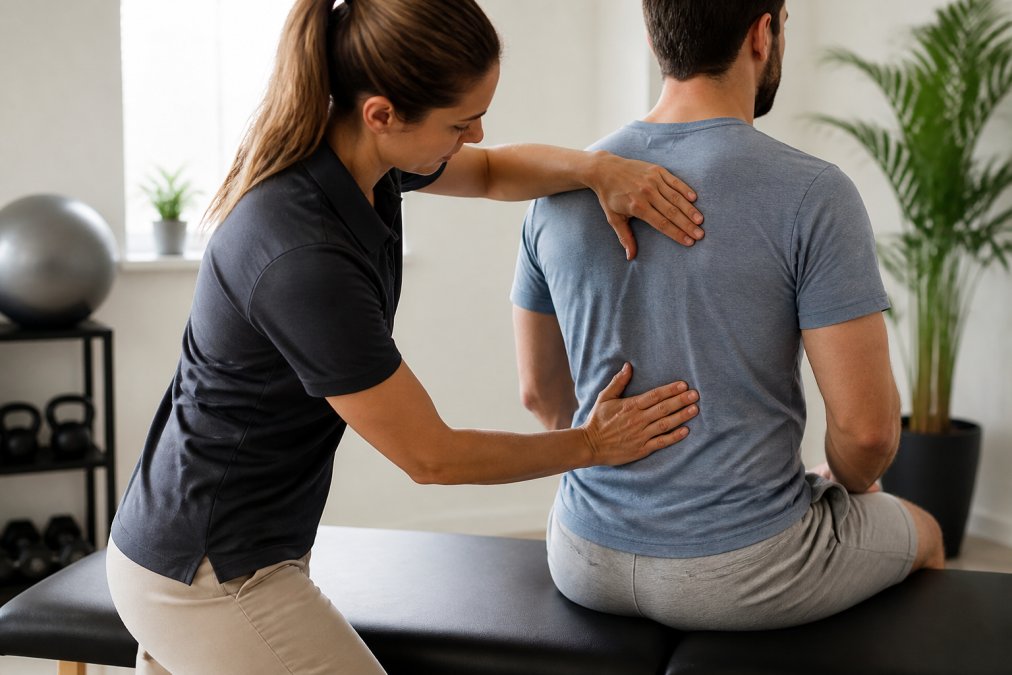
 comparison
ATI Alternative for Back Pain: 7 Options That Work
Table of Contents
- Why Patients Seek an ATI Alternative for Back Pain
- Physical Therapy vs Chiropractic Care: Which Fits Your Back Pain?
- The Benefits of One-on-One Physical Therapy for Chronic Back Pain
- How the McKenzie Method for Back Pain Works
- Medication Alternatives: NSAIDs, Acetaminophen, and Muscle Relaxants
- Passive and Complementary Therapies: Acupuncture, Massage, and Electrical Nerve Stimulation
- Mind-Body Approaches and Lifestyle Changes for Long-Term Back Pain Relief
- Cost, Insurance, and Evidence: Choosing Your Back Pain Alternative
- Frequently Asked Questions
Last Updated: September 12, 2026
Why Patients Seek an ATI Alternative for Back Pain
People search for an ATI alternative for back pain when the standard clinic model stops fitting their life. Large chains often rotate patients between aides, run group sessions, and book you for a fixed number of visits. If you have chronic back pain or sciatica, that structure can feel like a treadmill rather than a path to recovery. This guide breaks down seven evidence-based options, from one-on-one physical therapy to medication and mind-body work, and shows you how to weigh cost, insurance, and clinical evidence before you commit. The American Academy of Orthopaedic Surgeons guidance on low back pain makes one point clear: most cases improve without surgery, which means the choice of conservative care matters enormously.
Physical Therapy vs Chiropractic Care: Which Fits Your Back Pain?
Physical therapy and chiropractic care differ in their primary mechanism: physical therapy builds strength and movement capacity through exercise and education, while chiropractic care focuses on spinal manipulation to improve joint mobility and reduce pain (peer-reviewed research). Both appear in clinical practice guidelines from the American College of Physicians as reasonable first-line options for acute and chronic low back pain.
That distinction drives your decision.
- Physical therapy suits you if pain returns with activity, if you want to understand your triggers, and if you need a plan you can continue alone.
- Chiropractic care suits you if your pain is mechanical, episodic, and responds well to manual therapy, and if you want short courses of hands-on treatment.
- Many patients use both, sequencing manipulation for symptom relief and therapeutic exercise for durable functional recovery.
One honest limitation: neither approach fixes a problem you keep recreating. Postural correction and ergonomic adjustments at work matter as much as the treatment itself.
The Benefits of One-on-One Physical Therapy for Chronic Back Pain
One-on-one physical therapy means the licensed clinician treats you for the entire session, without delegating to aides or doubling up patients. That continuity is the difference between treating a symptom and changing a movement pattern.
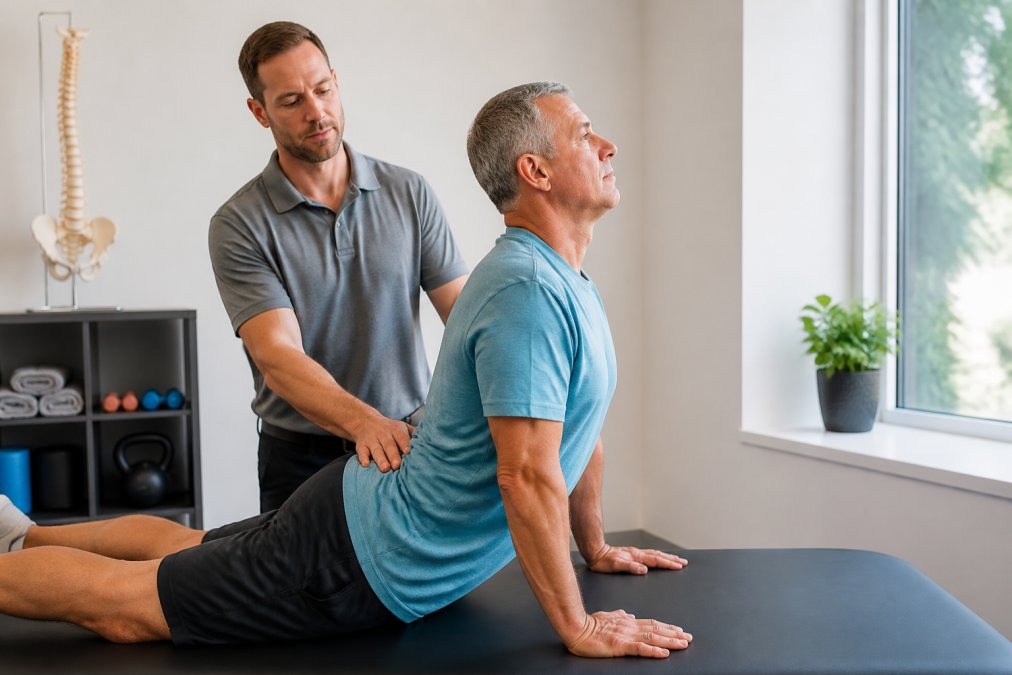
What most guides miss is how much the assessment drives the outcome. A clinician trained in the Selective Functional Movement Assessment (SFMA) screens whole-body movement to find the region actually driving your pain, which is often not where you feel it. Spinal Haven utilizes an evidence-based approach that combines the McKenzie Method® and the Selective Functional Movement Assessment (SFMA) to identify the root cause of pain rather than just treating symptoms. The goal is functional recovery you own: self-management tools you keep after discharge.
How the McKenzie Method for Back Pain Works
The McKenzie Method is a system of assessment and treatment that classifies back pain by how symptoms respond to repeated movements, then prescribes directional exercises based on that response. Instead of treating all back pain the same, it tests whether your pain centralizes (moves toward the spine) or peripheralizes (spreads outward) with specific movements.
A certified clinician guides you through repeated extension, flexion, or side-glide movements and tracks your pain intensity scale after each set. If symptoms centralize, that direction becomes your home program. If they spread, the clinician changes direction immediately.
The method's strength is self-reliance. You leave each session knowing exactly which exercise helps and which provokes symptoms, which is why it pairs well with long-term self-management.
Medication Alternatives: NSAIDs, Acetaminophen, and Muscle Relaxants
Over-the-counter and prescription medication can quiet back pain enough to let you move, but none of them correct the mechanical, postural, or degenerative cause. The clinical goal is a short, purposeful window of relief paired with active care, not a long-term management strategy on its own.
| Option | Primary Action | Typical Use Window | Best For | Key Limitations |
|---|---|---|---|---|
| NSAIDs (ibuprofen, naproxen) | Reduce inflammation and pain together | Shortest period that controls symptoms; label directions cap OTC use | Acute flare-ups with an inflammatory or swelling component | Stomach irritation, ulcer risk, kidney strain, and elevated cardiovascular risk with prolonged or high-dose use |
| Acetaminophen | Relieves pain, no anti-inflammatory action | Per label; do not exceed the daily maximum | People who cannot tolerate NSAIDs, or who need pain relief without GI risk | Liver toxicity at high doses or when combined with alcohol; no effect on inflammation |
| Muscle relaxants (cyclobenzaprine, methocarbamol, others by prescription) | Reduce muscle spasm and associated tension | Usually short-term, often a few days to a couple of weeks | Acute spasm with guarding | Sedation, dizziness, and dependence concerns; not for long-term use |
| Topical NSAIDs (diclofenac gel) | Deliver anti-inflammatory medication locally through the skin | As directed; can be used longer than oral NSAIDs in many cases | Localized pain where oral NSAIDs are risky | Skin irritation; slower onset than oral options |
| Prescription neuropathic agents (gabapentin, duloxetine, others) | Modulate nerve pain signaling | Ongoing under physician supervision | Chronic radicular or neuropathic pain patterns | Side effects, titration requirements, and they do not address mechanical causes |
A few practical points most list-style articles skip:
- Match the medication to the pain mechanism. Inflammatory, activity-provoked pain responds differently than nerve-driven sciatica. A clinician can help you tell the difference.
- Set a stop date. If you are still relying on the same dose weeks later, the plan is not working and needs reassessment.
- Check interactions. NSAIDs interact with blood thinners, some blood pressure medications, and other NSAIDs. Acetaminophen stacks dangerously with combination cold and flu products.
- Use relief to move. The evidence-based pattern is medication plus physical therapy or exercise, not medication alone. Relief without rehabilitation tends to fade when the dose stops.
This section is educational and is not a substitute for personalized medical advice.
If you want to avoid daily medication entirely, a structured active-care program, one-on-one physical therapy or a McKenzie-based program, can be a strong non-drug path, paired with passive therapies when pain is too high to move.
Passive and Complementary Therapies: Acupuncture, Massage, and Electrical Nerve Stimulation
Passive therapies can reduce pain enough to let you participate in active rehabilitation. Acupuncture, massage therapy, and electrical nerve stimulation (TENS) all aim to modulate pain signals rather than strengthen tissue.
- Acupuncture uses fine needles at defined points; evidence for chronic back pain is modest but positive for short-term relief.
- Massage therapy and soft tissue mobilization ease muscle guarding and improve circulation, which helps you move more comfortably.
- Electrical nerve stimulation delivers low-voltage current through skin pads to interrupt pain signaling; it is a pain relief modality, not a cure.
Treat every one of these as a bridge. If a passive therapy is the only thing in your plan, your pain threshold may improve but your musculoskeletal health will not. Complementary medicine works best when it opens the door to active care.
Mind-Body Approaches and Lifestyle Changes for Long-Term Back Pain Relief
Chronic pain responds to the nervous system, not just the spine, which is why mind-body techniques belong in a serious plan. Mindfulness and yoga can reduce pain-related stress; progressive muscle relaxation can calm guarding.
Lifestyle carries equal weight. Ergonomic adjustments to your desk, chair, and lifting mechanics reduce daily load. Regular walking, sleep, and weight management support musculoskeletal health. A holistic approach is not soft advice; it is how long-term outcomes improve.
Cost, Insurance, and Evidence: Choosing Your Back Pain Alternative
Most articles list back pain treatments and stop. The decision that actually determines whether you stick with a plan is financial and logistical: what is covered, what you pay out of pocket, and how long you have to keep paying. This section is the practical framework the rest of the SERP skips.
What insurance typically covers
Coverage varies by plan, but common patterns for back pain care include:
- Physical therapy, usually covered when medically necessary, often with a visit cap per year (commonly in the range of 20 to 60 visits, depending on plan and state) and a copay or coinsurance per session. A physician referral may be required.
- Chiropractic care, frequently covered, but often with a lower annual visit cap than physical therapy and a separate copay tier. Some plans exclude it entirely.
- Acupuncture, covered by some plans, especially for chronic pain, but frequently excluded or limited to a small number of visits.
- Massage therapy, usually not covered for back pain unless billed as a medically necessary manual therapy under a physical therapy plan.
- TENS units, often covered with a prescription; over-the-counter units are typically out of pocket.
- Interventional procedures (epidural steroid injections, nerve blocks, radiofrequency ablation), usually require prior authorization and are subject to medical-necessity review.
What usually comes out of pocket
- Digital mobility and exercise apps (subscription-based)
- Wellness yoga, most massage, and many mind-body programs
- Ergonomic equipment (chairs, standing desks, lumbar supports)
- Over-the-counter medication
How to check your actual benefits in under 10 minutes
- Log into your insurer's member portal and search the plan's physical medicine or rehabilitation benefit.
- Look for three numbers: the annual visit cap, the copay or coinsurance, and whether a referral is required.
- Call the clinic and ask two questions: "Do you bill my plan as in-network?" and "What is my estimated out-of-pocket per visit?"
- Ask whether the clinic offers a self-pay rate.
Ranking options by evidence and recovery timeline
| Option | Typical Access Route | Ongoing Commitment | Evidence Strength for Chronic Low Back Pain | Realistic Timeline to Notice Change |
|---|---|---|---|---|
| One-on-one physical therapy | Insurance or self-pay | Time-limited; ends with a home plan | Strong | 2 to 6 weeks for meaningful functional change |
| Chiropractic care | Insurance or self-pay | Short courses, may repeat | Moderate | Days to a few weeks for symptom relief |
| Structured exercise / McKenzie-based home program | Self-directed after assessment | Ongoing self-managed | Strong when progressive | 4 to 8 weeks |
| Digital mobility programs | Direct subscription | Ongoing self-managed | Emerging | Variable; depends on adherence |
| Acupuncture | Insurance (sometimes) or self-pay | Series of visits | Modest, short-term relief | Within a few sessions for some patients |
| Medication | OTC or prescription | As needed | Symptom relief only | Hours to days, but no durability |
| Interventional procedures | Insurance with prior authorization | Single or repeated procedures | Moderate for select patients | Days to weeks, variable duration |
The decision framework
- Mechanical, recurring pain, invest in care that builds capacity and ends: one-on-one physical therapy or a McKenzie-based program.
- Acute, inflammatory flare, short-term medication plus guided exercise, then taper.
- Chronic pain with a nervous-system component, combine active care with a mind-body approach such as biofeedback, mindfulness, or progressive muscle relaxation.
- Conservative care genuinely exhausted, ask a physician about interventional options before considering surgery.
Choose the option that gives you the assessment, the plan, and the tools to manage your movement without endless appointments, and confirm your coverage before you book, so cost never becomes the reason you stop.
Frequently Asked Questions
What are some alternatives to ibuprofen for back pain?
Acetaminophen (Tylenol) is a common alternative for those who cannot take NSAIDs, though it lacks anti-inflammatory properties. Muscle relaxants may help with spasm-related pain. For persistent pain, physical therapy, acupuncture, and mind-body techniques like progressive muscle relaxation can reduce reliance on medication. Always consult a healthcare provider before changing your pain management routine.
How does the McKenzie Method differ from standard physical therapy protocols?
The McKenzie Method uses repeated, directional movements to centralize pain and teach you self-treatment. Unlike passive modalities like ultrasound, it emphasizes active patient participation and home exercises. A certified clinician assesses your symptom response to specific movements, then builds a plan you can continue independently. This approach often reduces the number of clinic visits needed for functional recovery.
What should I look for when choosing a physical therapy provider for chronic back pain?
Look for one-on-one care, a movement-based assessment like the SFMA, and certifications such as the McKenzie Method. Ask whether the therapist creates a plan for long-term self-management or expects ongoing appointments. Check insurance coverage and whether virtual visits are available. A provider who identifies the root cause rather than just treating symptoms will support better long-term outcomes.
Is specialized physical therapy more effective for sciatica than general outpatient care?
Specialized care that includes a thorough movement assessment and treatments like the McKenzie Method targets the specific mechanical cause of nerve irritation. One-on-one specialized sessions allow for real-time adjustments, which may improve pain modulation and functional recovery.
Chronic back pain rarely resolves through a single modality, and the hardest part is finding care that treats the cause instead of the symptom. Spinal Haven offers one-on-one physical therapy built on the McKenzie Method and SFMA, with movement-based assessment, personalized plans, and a focus on long-term self-management so you can return to work, fitness, and family life. Book a discovery call with Spinal Haven and get a plan designed to make you independent.