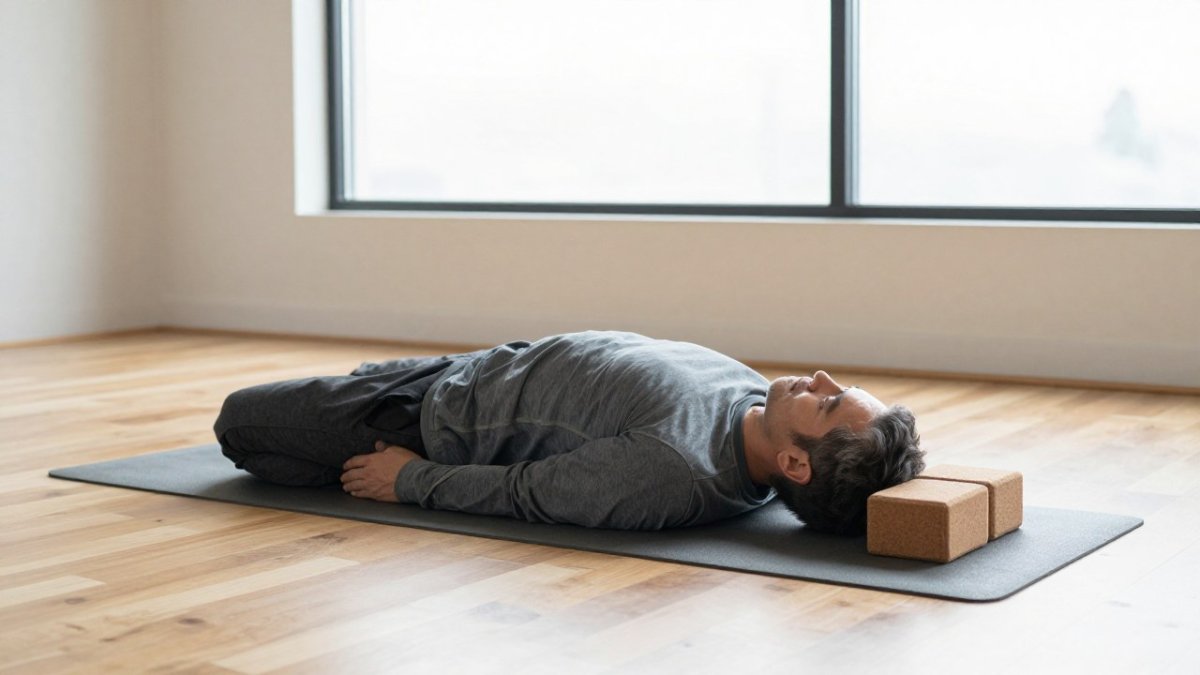
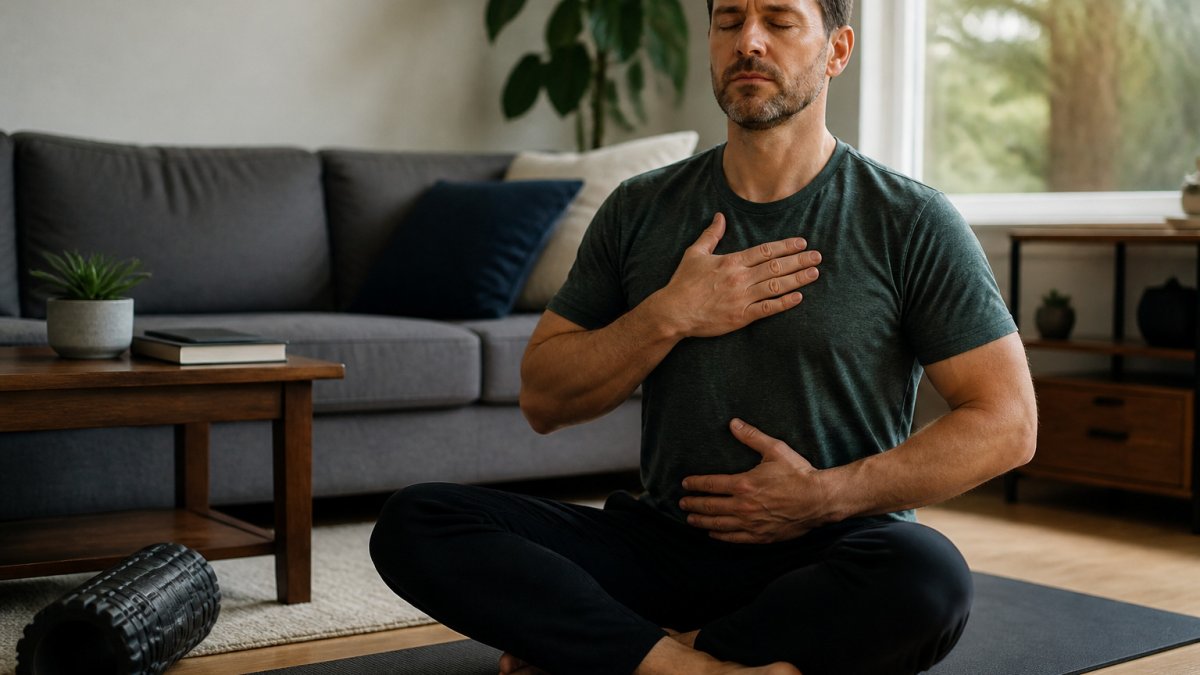
 How-to
How Do You Integrate Mindfulness Into Chronic Pain Care?
Last Updated: October 29, 2026
Quick Summary
Integrate mindfulness for chronic pain by starting with short daily practices of 5 to 10 minutes, adapted to your body, and combining them with your clinician's care plan. Mindfulness may help how you respond to pain and ease the stress that comes with it, but it does not make pain disappear.
- Start with 5 minutes once a day and build up gradually over three weeks.
- Adapt positions for your condition, using chairs, pillows, or walls for support.
- Stop or modify any practice that makes your pain noticeably worse.
- Track function, sleep, stress, and consistency rather than pain intensity alone.
- Share your routine with your clinician so they can adjust your movement program.
Table of Contents
- What Mindfulness Is and How It Relates to Chronic Pain
- Mindfulness Exercises for Chronic Pain You Can Start Today
- Mindfulness Meditation for Back Pain: Adapting Practice to Your Body
- How Long Should You Meditate for Chronic Pain?
- Building a Progressive Daily Routine and Knowing When to Stop
- Combining Mindfulness With Physical Therapy for Chronic Back Pain
- Tracking Your Progress and Booking Your Next Step
- Frequently Asked Questions
Chronic pain can wear down your focus, your sleep, and your patience at work. Many people use a tool like mindfulness for chronic pain alongside their regular care. The best results often come from practice you can repeat every day, not from one big change. This guide walks you through how mindfulness works, how to start, and how to fit it into a plan with your clinician.
What Mindfulness Is and How It Relates to Chronic Pain
Mindfulness is the practice of paying attention to the present moment on purpose and without judging it. For people living with pain, that means noticing sensations, thoughts, and emotions as they happen rather than fighting them.
Research has looked at whether this kind of practice can help pain. A review of mindfulness meditation studies describing reduced pain perception and proposed mechanisms discusses how mindfulness may change the way the brain processes pain signals.
The effects of mindfulness for chronic pain are real but modest. A RAND Corporation meta-analysis of 24 studies on mindfulness meditation for chronic pain found a small improvement in pain symptoms compared with control groups. Mindfulness for chronic pain is best seen as a complement to medical care, not a replacement for it.
- Mindfulness may help with how you respond to pain
- It may ease the stress and worry that come with ongoing pain
- It does not promise that pain will disappear
Mindfulness Exercises for Chronic Pain You Can Start Today
You do not need special equipment or long sessions to begin. Most people start with short exercises and build from there. The key is to adapt the practice to your body and your pain condition rather than forcing a standard meditation posture.
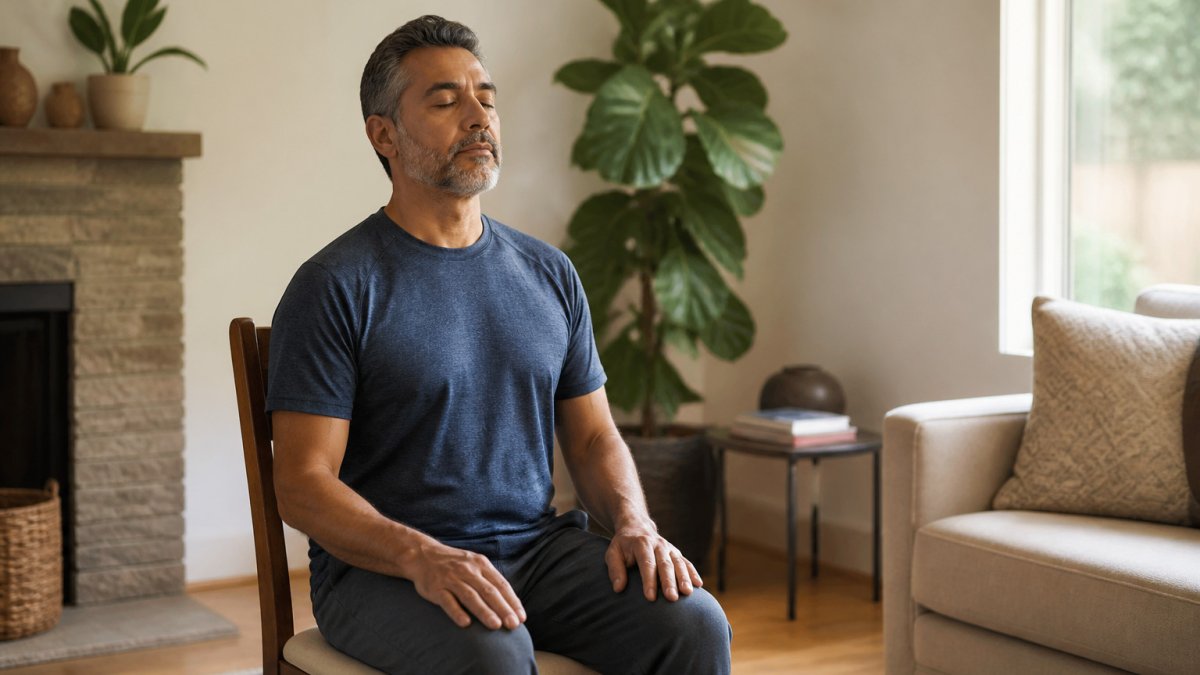
Try these three simple practices, each with a seated, lying-down, and movement-based option:
- Breath awareness: Sit comfortably and follow the breath in and out for two minutes. If sitting is uncomfortable, lie on your back with knees bent and a pillow under them, or practice while walking slowly and matching your breath to your steps.
- Body scan: Move your attention slowly from your feet to your head, noting how each area feels. If lying flat aggravates back pain, do a seated scan in a supported chair, or scan only from the waist up while standing with a wall for support.
- Pain noticing: Choose one area of discomfort and describe it to yourself: warm, dull, sharp, or steady. If focusing on pain feels overwhelming, shift attention to a neutral sensation such as the feeling of your feet on the floor or your hands resting on your lap.
For different pain conditions, adjust the entry point:
- Low back pain: Favor supported sitting or lying with knees bent; avoid long unsupported sitting.
- Neck or shoulder pain: Keep the head neutral and avoid prolonged looking down; a reclined supported position may help.
- Widespread pain or fatigue: Start with one- to two-minute sessions and alternate seated and lying practice.
- Limited mobility: Use a chair, bed, or wall for support; movement-based practice can be as simple as slow hand or foot movements.
Mindfulness Meditation for Back Pain: Adapting Practice to Your Body
Back pain changes what a comfortable position looks like. A seated practice may not work on a bad day, and lying flat may not suit everyone.
Adjust the practice to your body:
- Sit in a supported chair with your back against the backrest
- Lie on your back with your knees bent and a pillow under them
- Use a wall or bed for support when standing is hard
Getting into the right position is part of the practice. The McKinsey-style guidance on self-management approach of learning what helps your body is a useful model. The McKenzie Method, a self-treatment approach for spine pain emphasizes finding positions that ease symptoms, a principle you can apply to meditation posture too.
How Long Should You Meditate for Chronic Pain?
Most people benefit from starting with 5 to 10 minutes a day of mindfulness for chronic pain. Consistency matters more than length.
The American Psychiatric Association on mindfulness and pain management notes that mindfulness-based approaches are a common method for pain care. Start short, then add time only when it feels manageable.
A simple progression looks like this:
- Week one: 5 minutes once a day
- Week two: 5 minutes twice a day
- Week three onward: 10 minutes, once or twice a day
Building a Progressive Daily Routine and Knowing When to Stop
A routine helps you practice without relying on motivation. Pick a fixed time, such as after your morning coffee or before bed, and keep the sessions short. A common pattern is to anchor practice to an existing habit so it does not depend on how you feel that day.
Grab a Free Discovery Call Today →
A beginner-friendly progression looks like this:
- Week one: 5 minutes once a day, seated or lying down as comfort allows.
- Week two: 5 minutes twice a day, or 7 to 10 minutes once a day if twice feels like too much.
- Week three onward: 10 minutes once or twice a day, adding a short movement-based practice on days when stillness is difficult.
Build consistency with these practical steps:
- Keep a visible reminder, such as a note by your coffee maker or a phone alarm.
- Pair practice with a daily event you already do, like brushing your teeth or sitting down after lunch.
- Use a short backup practice of one to two minutes on busy or high-pain days rather than skipping entirely.
- Track practice days on a simple calendar so you can see patterns over weeks.
Stop or modify a practice if you notice:
- Pain that spikes during or after the session
- Feeling anxious or overwhelmed by what comes up
- Dizziness, numbness, or new symptoms
Adjust the practice or talk with your clinician before continuing. Mindfulness should feel calming, not punishing.
Evaluate progress without expecting pain to disappear. Instead of tracking pain intensity alone, watch for changes in how much pain interferes with daily activities, your distress level, sleep quality, and how consistently you practice. Steady improvements in function, stress, and confidence over several weeks are good signs. Share these observations with your clinician so they can adjust your overall pain plan around what is working.
Combining Mindfulness With Physical Therapy for Chronic Back Pain
Mindfulness works best as part of a larger plan. For chronic back pain, that plan often includes movement and education. A MDT-based treatment overview from the American Physical Therapy Association describes how physical therapy focuses on identifying what drives symptoms.
If you want one-on-one help building that plan, a physical therapist can assess your back pain and guide treatment. Learn more about our back pain physical therapy service.
Share your mindfulness routine with your clinician so they can adjust your movement program around it.
Tracking Your Progress and Booking Your Next Step
Progress with mindfulness for chronic pain is rarely a straight line. Track how often you practice, how your pain feels on a 0 to 10 scale, and how well you sleep and move each day.
Look for steady changes over several weeks rather than expecting pain to disappear. Better function, less stress, and more confidence are good signs.
Ready to put a plan in place? Book a discovery call to see whether one-on-one physical therapy is right for you.
Frequently Asked Questions
Can mindfulness reduce chronic back pain?
Some research suggests it can help. A RAND Corporation meta-analysis of 24 studies found mindfulness meditation was associated with a small improvement in pain symptoms compared with control groups. The effect was modest rather than dramatic, so mindfulness is best viewed as one part of a broader pain plan. Work with a licensed clinician to decide whether it fits your situation and to set realistic expectations for how much relief to expect.
How long should you meditate for chronic pain?
Many people start with 5 to 10 minutes a day and build toward 10 to 15 minutes as the practice becomes comfortable. Consistency matters more than session length. Short, regular sessions done most days are usually easier to maintain than occasional long ones. If a longer session increases discomfort, shorten it and return to the length that feels manageable.
What should I do if mindfulness makes my pain feel more intense?
Temporary changes in sensation can happen when you pay closer attention to your body. Shorten the session, open your eyes, change position, or switch to a gentler exercise such as breath awareness. If pain stays elevated, worsens, or causes new symptoms such as numbness or weakness, stop the practice and contact your clinician. Mindfulness should never replace medical evaluation of changing symptoms.
Can mindfulness be combined with physical therapy for chronic pain?
Yes. Mindfulness can complement physical therapy by helping you notice your body's signals, manage stress, and stay consistent with home exercises. It works best as one component of a clinician-led plan rather than a stand-alone solution. Share your practice with your physical therapist so they can adjust your program and help you decide when it is helping and when to modify it.
Mindfulness can be a useful part of managing chronic pain when it fits into a plan built with your care team. Start small, stay consistent, and stay in touch with a clinician who knows your history. Spinal Haven is here to help you restore strength and move with confidence.