 How-to
Non-Surgical Spine Pain Treatment: What Actually Works?
Last Updated: November 16, 2026
Quick Summary
Non-surgical spine pain treatment usually begins with conservative options such as guided exercise, physical therapy, medication, and sometimes injections, chosen to match the cause of the symptoms. Only around 1 in 10 common non-surgical, non-invasive back pain treatments has been found effective, so careful matching matters. Medications and injections work best as support for active rehabilitation rather than as standalone fixes.
- Physical therapy and a home exercise program are among the most widely recommended non-surgical options for chronic back pain.
- A pooled analysis found only around 1 in 10 common non-invasive back pain treatments was effective.
- Epidural steroid injections can provide temporary relief, often lasting weeks to months, as one step in a broader plan.
- Reassess progress at four to six weeks and adjust the plan if pain and function have not meaningfully improved.
- Seek urgent care for new leg weakness, loss of bladder or bowel control, or saddle numbness.
Table of Contents
- Why Non-Surgical Spine Pain Treatment Is the Usual First Step
- Physical Therapy for Back Pain and Guided Exercise
- Medications and Injections: Options, Benefits, and Risks
- Heat, Cold, Massage, and Other Hands-On or Complementary Therapies
- Chronic Back Pain Treatment and What to Expect Over Time
- Non-Surgical Treatment for Sciatica and Radiating Leg Pain
- Back Pain Treatment at Home and Choosing Your Next Step with a Clinician
- Frequently Asked Questions
Why Non-Surgical Spine Pain Treatment Is the Usual First Step
Non-surgical spine pain treatment is the approach most clinicians recommend before anything more invasive. For many people with back or neck pain, conservative care covers a wide menu of options, from exercise and medication to injections and hands-on therapies. Spinal Haven, a physical therapy practice focused on active adults, builds its care around finding the source of the pain rather than only masking it.
The most common starting point is medication. A 2025 review of non-surgical treatments for lumbar pain reports that simple analgesics, muscle relaxants, and nonsteroidal anti-inflammatory drugs are among the most frequently used medications for low back pain.
Not every option works for every person, though. A pooled analysis summarized by BMJ Group found that only around 1 in 10 common non-surgical, non-invasive back pain treatments was effective. That finding does not mean non-surgical care has no value. It means choosing treatments carefully matters, and that a clinician should help match the option to the cause of the symptoms.
Physical Therapy for Back Pain and Guided Exercise
Physical therapy is one of the most widely recommended non-surgical options. Johns Hopkins Medicine lists physical therapy and a home exercise program among the treatments used for chronic back pain, according to Johns Hopkins Medicine guidance on chronic back pain.
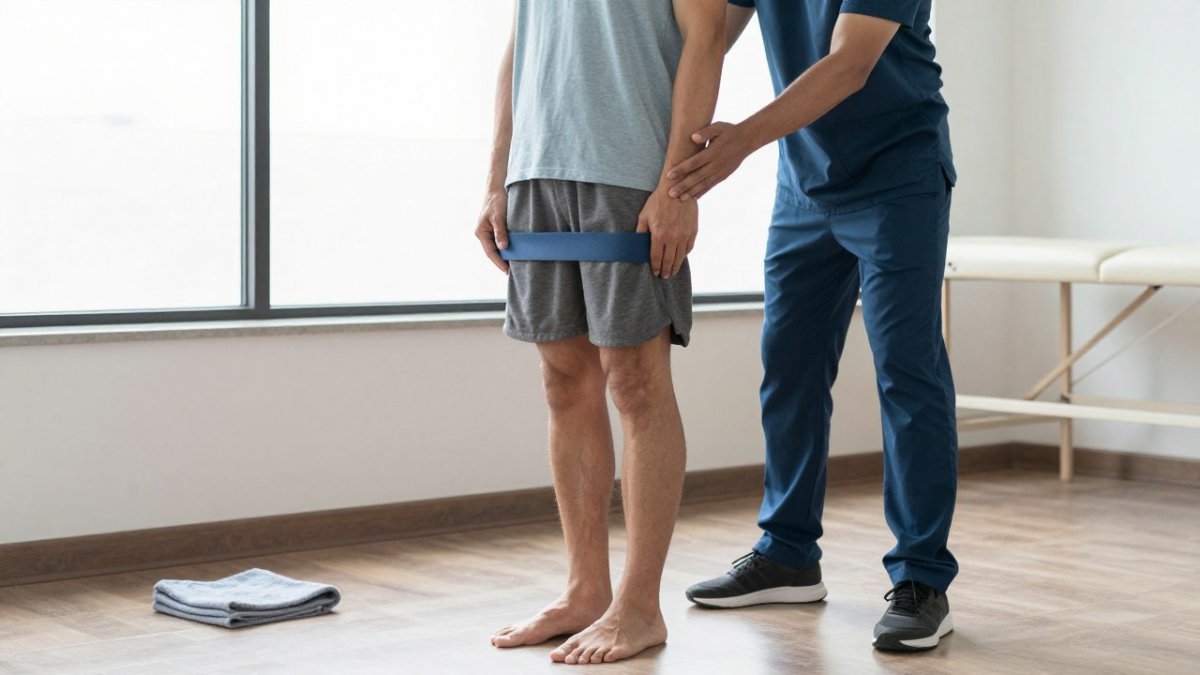
Good physical therapy is more than a set of stretches. A clinician assesses how the spine and hips move, identifies which movements provoke symptoms, and builds a progression of exercises. Spinal Haven uses the McKenzie Method and the Selective Functional Movement Assessment to guide that process, and sessions are one-on-one.
Guided exercise also teaches the patient what to do between appointments. This matters because pain that lasts for months often returns when the person stops moving well. A [page:1 | care for pain and limited movement] page on the clinic's services describes how this kind of ongoing spinal care is structured.
Medications and Injections: Options, Benefits, and Risks
Medication and injections are often used alongside exercise to reduce pain enough for a person to participate in rehabilitation. They do not correct movement patterns on their own, and any decision should be made with a doctor or pharmacist, especially for people who take other prescriptions or have chronic conditions.
Pain relievers and muscle relaxants
Nonsteroidal anti-inflammatory drugs (NSAIDs) such as ibuprofen and naproxen reduce inflammation and pain, but they carry gastrointestinal, cardiovascular, and kidney risks, particularly with long-term use. Acetaminophen is gentler on the stomach but can cause liver damage at high doses or when combined with alcohol. Muscle relaxants can ease acute muscle spasm but often cause drowsiness and are typically used for short periods. A 2025 review of non-surgical lumbar pain treatments identifies these categories as commonly used, but it does not provide a single measure of how well they work for every patient. Watch out: combining over-the-counter NSAIDs with prescription pain relievers without a clinician's review can lead to unintended overdose or interactions.
Epidural steroid and targeted injections
Epidural steroid injections deliver corticosteroids near the spinal nerves to reduce inflammation. The Centers for Medicare & Medicaid Services identifies epidural steroid injections as a non-surgical modality for low back and neck pain, according to CMS coverage information on non-surgical back and neck pain treatments. These injections can provide temporary relief, often measured in weeks to months, and are generally considered one step within a broader plan rather than a standalone cure. Risks include infection, bleeding, nerve damage, and a temporary increase in pain. They are not appropriate for people with certain bleeding disorders or active infections. A common pattern is to use an injection to calm symptoms enough to allow active rehabilitation to progress.
How medications and injections fit into a plan
Medications and injections are best viewed as tools to support active care, not as substitutes for it. A clinician should review the risks and benefits for the individual, set a clear trial period, and reassess if relief is inadequate or side effects emerge. For readers comparing options, the key question is not which treatment is strongest but which sequence matches the diagnosis, the person's health profile, and their functional goals.
Heat, Cold, Massage, and Other Hands-On or Complementary Therapies
Heat, cold, massage, and similar therapies are often used to manage symptoms while the underlying problem is addressed. Many people find heat soothing for stiff muscles, while cold can help with acute swelling. These approaches generally provide short-term relief rather than long-term correction.
Acupuncture, electrical stimulation, and laser therapy also appear in the research on back pain. The evidence for these varies widely, and the BMJ Group summary notes that effectiveness is not uniform across treatments. Readers considering complementary care should ask a clinician how it fits their plan.
Chronic Back Pain Treatment and What to Expect Over Time
Chronic back pain usually calls for a longer timeline than acute pain, and progress tends to come in stages. A practical framework helps readers know what to expect and when to reconsider the plan.
A realistic treatment timeline
Most clinicians assess progress in phases. The first phase, often two to four weeks, focuses on calming symptoms with relative rest, medication if appropriate, and gentle movement. The second phase, typically weeks three through eight, emphasizes rebuilding movement and strength through guided exercise and physical therapy. The third phase, from about two to three months onward, shifts toward maintaining gains, returning to work and fitness, and self-management. These ranges are general patterns, not guarantees, and individual recovery varies.
When progress is assessed and when to reconsider
A common pattern is to reassess at four to six weeks. If pain and function have not improved meaningfully, the clinician may adjust the exercise program, consider additional diagnostics, or refer for a different opinion. A recent review of spine treatments reports that after three years, more than 80% of treatment participants reported improvement in pain, disability, or both. That result comes from a specific study, so it should not be generalized to every non-surgical approach. Readers should expect a clinician to set realistic goals and review progress over time.
Red flags that warrant prompt medical evaluation
Some symptoms should not wait for a scheduled reassessment. Seek urgent care for new leg weakness, loss of bladder or bowel control, saddle numbness, fever with back pain, unexplained weight loss, or pain that follows a fall or trauma. These signs can indicate nerve compression or other serious conditions that require immediate evaluation. Watch out: attributing progressive weakness or numbness to a flare-up and delaying care can lead to worse outcomes.
Supporting long-term function
Long-term management also depends on the person. Active adults often want to return to work, fitness, and family activities, and a treatment plan that teaches self-management can support those goals. Spinal Haven's [page:2 | back pain physical therapy] service describes one-on-one assessment and treatment for acute and chronic low back pain. For a broader view of ongoing spinal care, see spinal care services.
Non-Surgical Treatment for Sciatica and Radiating Leg Pain
Sciatica involves pain, numbness, or tingling that travels from the back into the leg. Because the nerve irritation can have several causes, treatment usually starts with an assessment to identify the source.
Non-surgical care for sciatica often includes guided exercise, medication, and sometimes injections. A 2022 case report describes 10 kHz spinal cord stimulation for a patient with low back and lumbar radicular pain that had not responded to conservative treatment, though that single case does not establish how common such outcomes are.
Anyone with leg weakness, loss of bladder or bowel control, or sudden severe numbness should seek medical care promptly. For ongoing leg symptoms, [page:3 | evidence-based sciatica physical therapy] describes how the clinic approaches leg pain that starts in the back.
Back Pain Treatment at Home and Choosing Your Next Step with a Clinician
Home care can support any treatment plan. Staying active within comfortable limits, following an exercise routine, and managing posture at work all help. Many people do better with gentle movement than with prolonged rest.
Choosing the next step is easier with a clinician's input. Physical therapy and chiropractic care are both common options, and [article:5 | physical therapy vs chiropractic care] compares them to help readers weigh the choice.
If you are ready to talk through your situation, you can [page:4 | schedule a 15-minute discovery call] to see whether one-on-one spinal physical therapy fits your needs. This article provides general information only and is not a substitute for individual medical advice.
Chronic spine pain can limit work, exercise, and family life. Spinal Haven offers one-on-one physical therapy built around identifying the root cause of pain and teaching long-term self-management. Book a discovery call to see whether that approach fits your situation.
Frequently Asked Questions
What is the best non-surgical treatment for back pain?
No single treatment works for everyone. Guided exercise and physical therapy are among the most commonly recommended first steps, and a 2025 review of non-surgical lumbar pain treatments identifies simple analgesics, muscle relaxants, and NSAIDs as frequently used medication categories. A pooled analysis summarized by BMJ Group found that only around 1 in 10 common non-surgical, non-invasive back pain treatments was effective, so the right choice depends on the cause of your pain. A clinician can help you match options to your situation.
How long does non-surgical treatment for back pain take to work?
Timelines vary with the cause of the pain, how long it has been present, and how consistently treatment is followed. Some people notice changes within a few weeks of starting exercise or therapy, while chronic problems can take longer. A 2026 article reports that after three years, more than 80% of participants in one treatment program improved in pain, disability, or both, but that figure applies to that program only. Ask your clinician what progress to expect and when to reassess.
When should I see a clinician for persistent spine pain?
See a qualified professional if pain lasts longer than a few weeks, keeps returning, limits your daily activities, or spreads down a leg. Seek urgent medical care right away for new numbness in the groin or inner thighs, new weakness in the legs, loss of bladder or bowel control, fever with back pain, or pain after a serious injury. These can signal conditions that need prompt evaluation. This article offers general information, not individual diagnosis or treatment advice.
Can I relieve back pain at home safely?
Many people manage mild back pain at home with gentle movement, staying active within comfortable limits, and short-term use of over-the-counter pain relievers as directed on the label. Avoid prolonged bed rest, which tends to slow recovery. Heat or cold packs may ease symptoms for some people. Home care works best alongside guidance from a clinician, especially if pain persists or worsens, so check with a professional before starting a new routine.