 How-to
Self-Management Strategies for Back Pain: A Step-by-Step Guide
Table of Contents
- Understanding Your Back Pain and Self-Management
- How to Manage Chronic Back Pain Without Surgery
- Exercises for Chronic Back Pain That Build Long-Term Strength
- Ergonomics and Lifestyle Modifications for Daily Pain Prevention
- Mindfulness, Stress Management, and Pain Perception
- When to See a Doctor for Back Pain
- Building Confidence in Your Self-Management Plan
- Frequently Asked Questions
Last Updated: September 23, 2026
Understanding Your Back Pain and Self-Management
Most back pain responds well to self-management strategies for back pain. At Spinal Haven, we help you understand what's driving your pain and teach you how to manage it without endless appointments or surgery.
Self-management means learning how your back works, identifying what triggers your pain, and building a toolkit of techniques you can use daily to take control of your recovery.
Understanding your pain is foundational. Is it sharp or dull? Does it happen with certain movements? These details point to what's actually causing the problem.
How to Manage Chronic Back Pain Without Surgery
Managing chronic back pain without surgery starts with identifying the root cause, not just treating symptoms.
Movement-Based Assessment and Root Cause Identification
The first step is understanding what movements make your pain better or worse, called directional preference. Experiment with bending forward, backward, twisting, and different positions. Which direction feels better? If backward bending reduces pain, your strategy will differ from forward bending.
This movement-based assessment is exactly what the McKenzie Method teaches, it's a proven approach to identifying which movements help your specific situation.
Activity Modification and Pain Reduction Techniques
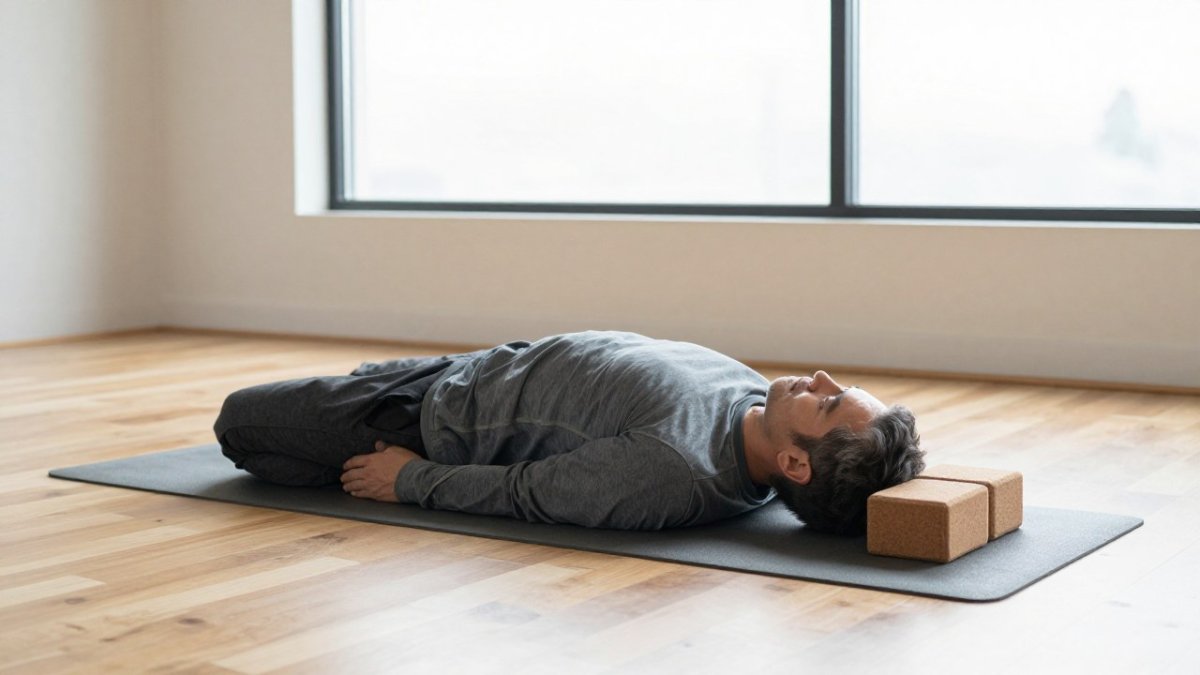
Modify daily activities to avoid movements that hurt, this is temporary while your back heals. If forward bending increases pain, bend at knees when picking up objects, use lumbar support when sitting, and place a pillow under your knees when sleeping. If backward bending helps, do gentle backward bends for 30 seconds every hour.
Build activity gradually: Week 1-2 with short walks (10-15 minutes), Week 3-4 with longer walks (20-30 minutes) and stretching, Week 5+ with strengthening.
Exercises for Chronic Back Pain That Build Long-Term Strength
Exercise is essential for long-term back health. Weak core muscles, tight hip flexors, and poor flexibility contribute to chronic back pain.
Core Stability and Flexibility Work
Core stability means your abdominal and back muscles work together to support your spine. Start with: Dead bug (10 reps per side), Bird dog (10 reps per side), Glute bridge (15 reps), and Quadruped rock (15 reps).
Do these stretches 2-3 times daily: Hip flexor stretch (half-kneeling, 30 seconds per side), Hamstring stretch (lying down with strap, 30 seconds per side), and Piriformis stretch (lying down, 30 seconds per side).
Progressive Strengthening and Range of Motion
Progress your exercises every 2-3 weeks:
| Exercise | Beginner | Intermediate | Advanced |
|---|---|---|---|
| Core work | Dead bug, bird dog | Plank holds, side plank | Plank with leg lifts |
| Hip strength | Glute bridge | Single-leg glute bridge | Glute bridge with pulse |
| Back strength | Quadruped rock | Superman holds | Superman with arm circles |
| Movement | Gentle bending | Controlled bending patterns | Functional movement patterns |
Add 2-3 strengthening sessions per week (15-20 minutes each). Range of motion improves as strength improves, you'll bend, twist, and move with less restriction.
Ergonomics and Lifestyle Modifications for Daily Pain Prevention
Your daily environment either supports your back or stresses it. Small ergonomic changes compound into significant pain prevention.
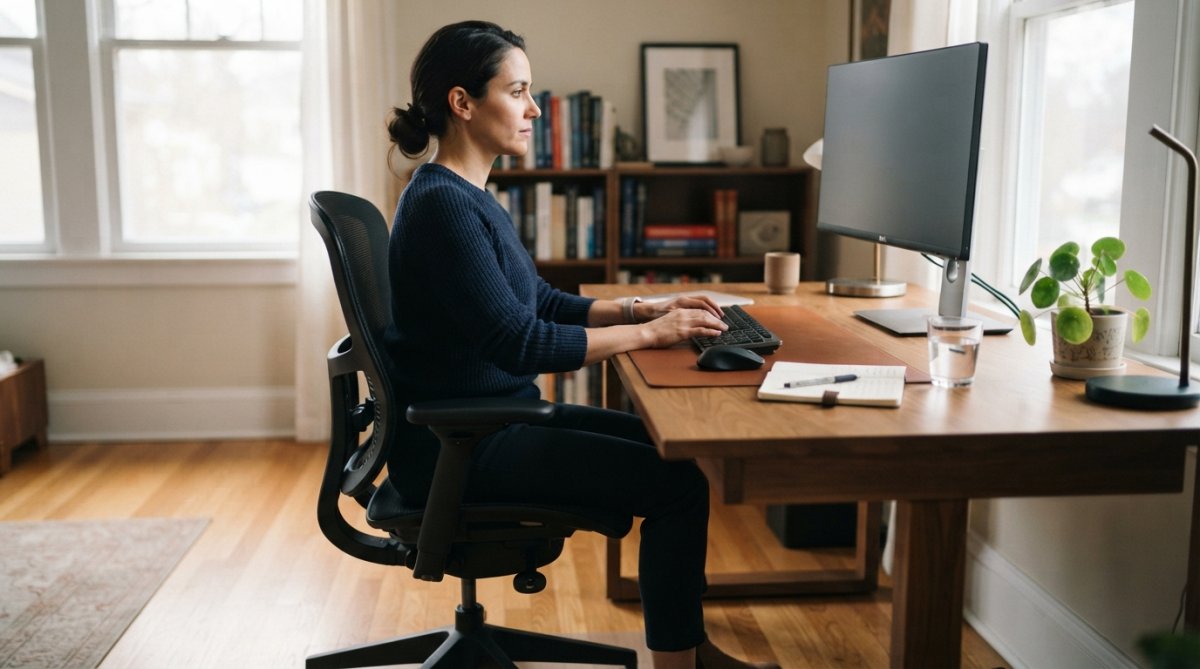
Work-From-Home Ergonomic Setup: The Science-Based Approach
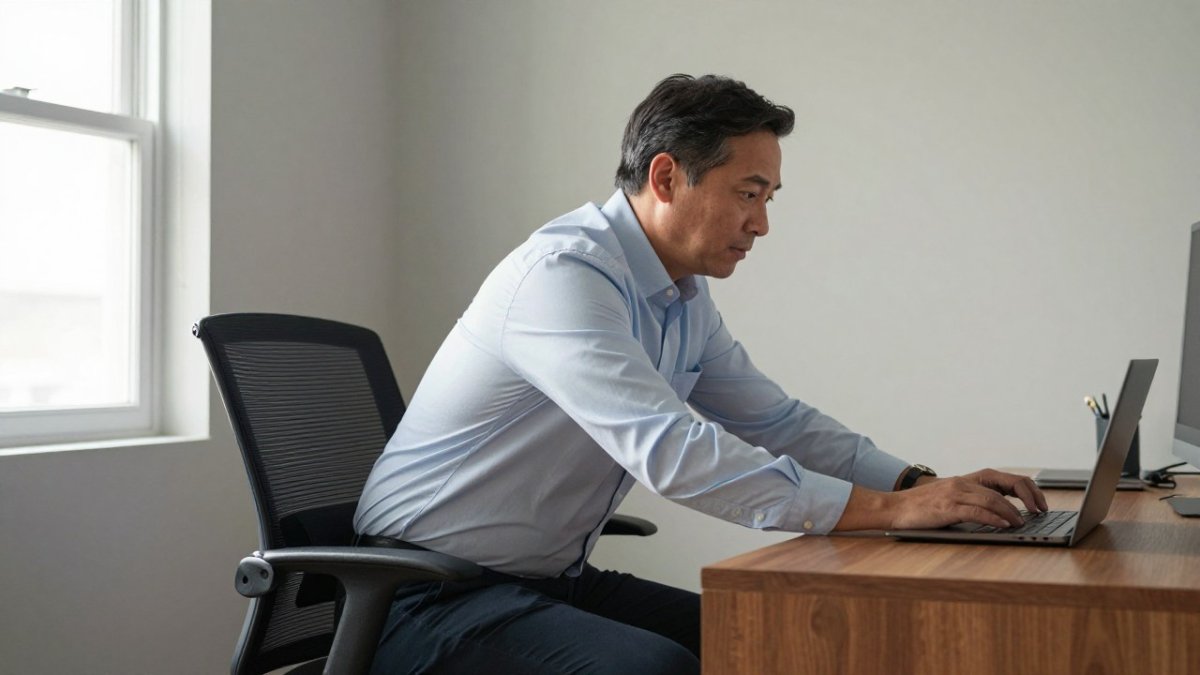
Proper ergonomics reduces cumulative stress on your spine. Misaligned desk, chair, and monitor force your muscles to work harder, creating postural fatigue and pain.
Monitor positioning is critical. Position the top at or slightly below eye level, arm's length away (20-26 inches), tilted slightly upward (15-20 degrees). Forward head posture increases cervical spine stress significantly.
If using a laptop, invest in a separate monitor and keyboard, laptops force you to choose between wrist and neck position.
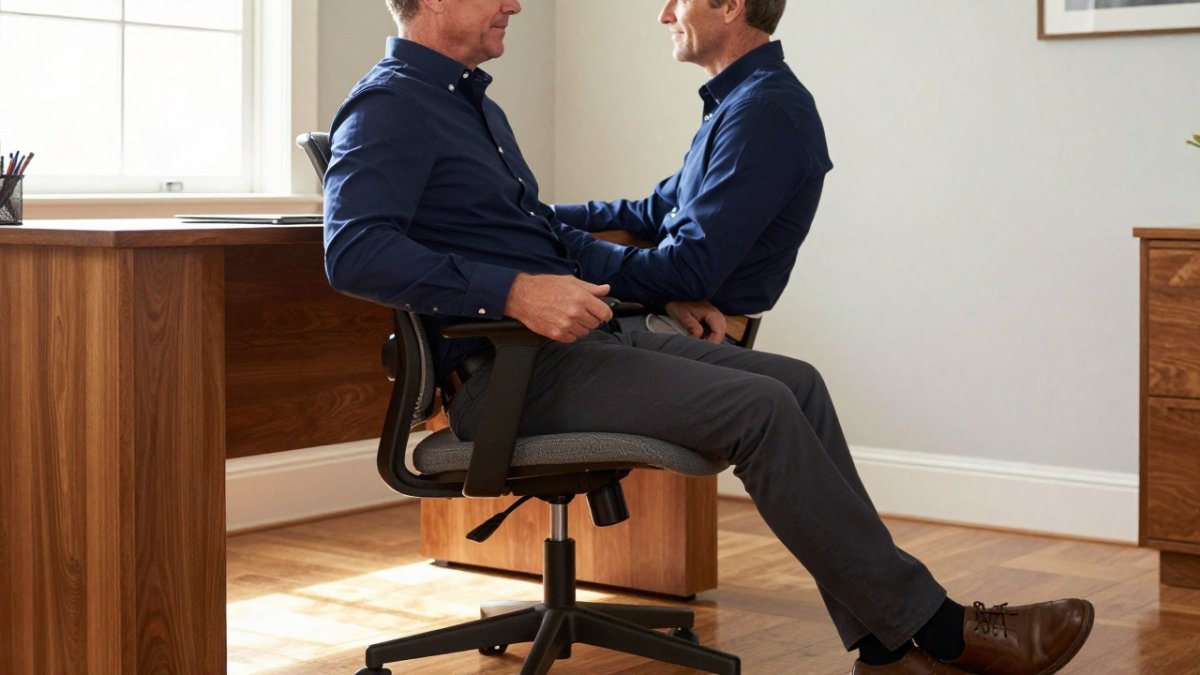
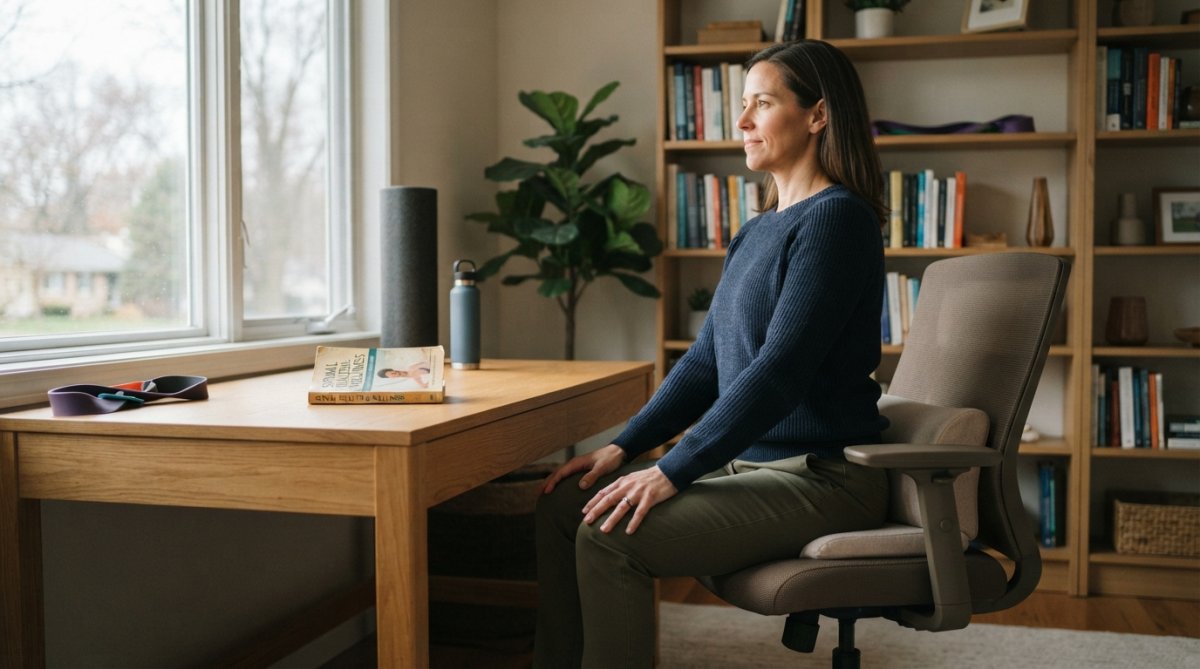
Your chair should support your lower back curve, allow feet flat on the floor with knees at 90 degrees, have armrests at elbow height, and have seat depth allowing 2-3 inches between seat edge and knees.
Grab a Free Discovery Call Today →
Desk height should allow elbows at 90 degrees with neutral wrists. Sit with feet flat and measure elbow-to-floor distance for your ideal height.
Keep keyboard and mouse within 6 inches of your body with neutral wrists.
Movement Breaks and Postural Variation
Set a timer every 60 minutes to stand and move for 2-3 minutes. Do 5-10 gentle bends in your directional preference, walk, or change positions.
Sleep Hygiene and Recovery Practices
Your back heals while you sleep. Poor sleep hygiene means poor recovery, and poor recovery means pain persists or worsens.
Mindfulness, Stress Management, and Pain Perception
Your mind influences your pain. Fear-avoidance patterns can keep pain alive long after tissue healing is complete.
Understanding Fear-Avoidance and Pain Catastrophizing
Fear-avoidance, avoiding movements because you fear pain, weakens muscles, sensitizes your nervous system, and creates pain catastrophizing. Your brain learns to associate movements with threat even after tissue heals. This is why some experience chronic pain long after imaging shows recovery.
Graded Exposure: Rebuilding Confidence in Movement
Structure graded exposure in three phases: Week 1-2, write down avoided movements and rate your fear (0-10). Week 3-4, gently reintroduce the lowest-fear activity for 5 seconds, 3-5 times daily. Week 5+, gradually increase duration and intensity until returning to normal patterns.
Mindfulness and Nervous System Regulation
Mindfulness works alongside graded exposure by helping you observe pain and fear without reacting to them. This breaks the automatic cycle where pain triggers fear, which triggers muscle tension, which triggers more pain.
- Observe the sensation without judgment ("I notice a sensation in my lower back")
- Separate the sensation from the story ("This sensation means I'm injured" vs. "This is just a sensation")
- Continue the movement or activity despite the sensation
Start with simple breathing exercises:
- Box breathing: Breathe in for 4 counts, hold for 4, breathe out for 4, hold for 4. Repeat 5 times.
- 4-7-8 breathing: Breathe in for 4 counts, hold for 7, breathe out for 8. Repeat 5 times. This activates your parasympathetic nervous system and reduces the fight-or-flight response.
When to See a Doctor for Back Pain
Self-management works for most back pain, but some situations require professional evaluation. Know the red flags.
See a doctor if you experience:
- Numbness or tingling in legs or feet that doesn't improve with activity modification
- Loss of bladder or bowel control, this is a medical emergency
- Fever with back pain, suggests infection
- Unexplained weight loss with back pain
- Pain that wakes you from sleep despite position changes
- Severe pain that doesn't improve after 4-6 weeks of self-management
- Pain after trauma like a fall or accident
Building Confidence in Your Self-Management Plan
The biggest barrier to successful self-management isn't the exercises or stretches, it's confidence. You need to believe that your efforts actually work.
Track your progress. Write down:
- Pain level on a scale of 0-10
- Activities you can do now that you couldn't before
- How many hours per day you're pain-free
- Which exercises feel most helpful
Frequently Asked Questions
What are the most effective evidence-based self-management strategies for back pain?
The most effective strategies combine movement-based assessment to identify root causes, targeted exercises for core stability and flexibility, ergonomic adjustments to your daily environment, and activity modification techniques. Understanding what movements or positions trigger your pain allows you to avoid reinjury while gradually building strength. Pairing these physical strategies with mindfulness and stress management addresses both the biomechanical and psychological aspects of chronic back pain, creating a comprehensive approach to long-term pain reduction.
How can exercises for chronic back pain help me avoid surgery?
Therapeutic exercises address the underlying weakness, inflexibility, and movement dysfunction that cause chronic back pain. By strengthening your core, improving range of motion, and retraining proper biomechanics, you restore your spine's stability and resilience. The key is performing exercises that match your specific condition, generic routines often fail because they don't target your root cause. A qualified assessment helps identify which exercises will work best for your situation.
When should I see a doctor or physical therapist for my back pain?
Seek professional evaluation if you experience severe pain that limits daily function, pain radiating down your leg or arm, numbness or tingling in your extremities, loss of bladder or bowel control, unexplained weight loss, fever, or pain following a significant injury or fall. Additionally, if you've been managing pain on your own for several weeks without improvement, or if you're unsure whether your self-management approach is safe, a qualified physical therapist can assess your condition and design a personalized plan. Professional guidance is especially important if you've tried general physical therapy without success.
Can I really manage chronic back pain on my own long-term, or do I need ongoing therapy?
Yes, you can manage chronic back pain independently once you understand your condition and learn the specific strategies that work for you. The goal of evidence-based physical therapy is to teach you how to manage your pain, not create dependency on ongoing appointments. By learning movement patterns, exercises, and lifestyle adjustments tailored to your root cause, you gain the confidence and tools to handle flare-ups and prevent reinjury. This doesn't mean you'll never need support, but it means you're equipped to manage your symptoms and maintain your progress without endless appointments.