 How-to
7 Natural Ways to Reduce Lower Back Inflammation
Last Updated: November 7, 2026
Quick Summary
Natural ways to reduce lower back inflammation include using ice during the first 24 to 48 hours of a flare-up, switching to heat for stiffness, doing gentle stretches like knee-to-chest and cat-cow, breaking up prolonged sitting, and eating a diet rich in vegetables, fruit, and fatty fish. Supplement evidence is limited, so check with your doctor first.
- Apply ice for 10 to 15 minutes at a time during the first 24 to 48 hours after a new strain or flare-up.
- Use heat for 15 to 20 minutes at a time when pain is mainly stiffness or muscle tightness.
- Stand and walk for two to three minutes every hour to break up prolonged sitting.
- Check with your doctor before starting supplements, especially if you take blood thinners.
Table of Contents
- What Lower Back Inflammation Feels Like and What Causes It
- Heat or Ice for Lower Back Pain: Which Works Better and When
- Exercises for Lower Back Pain Relief You Can Start Today
- Staying Active and Breaking Up Prolonged Sitting
- An Anti-Inflammatory Diet for Back Pain: What to Eat and Limit
- Natural Supplements for Back Pain: What the Evidence Says
- Building a Sequenced Self-Care Plan and Tracking Your Response
- Booking Your Next Step: When to See a Physical Therapist
- Frequently Asked Questions
Lower back pain often comes with a stiff, burning ache that makes it hard to sit through a meeting or get out of bed without wincing. For many busy professionals, the pain shows up after long hours at a desk, a tough week on the road, or a weekend of yard work. Inflammation is only one possible cause of back pain. Knowing what your body is doing is the first step toward relief.
Below, we walk through seven practical, natural ways to ease lower back inflammation and the signs that mean you should get checked by a professional. These approaches are easy to fit into a workday, but they are not a substitute for an assessment of your symptoms.
What Lower Back Inflammation Feels Like and What Causes It
Inflammation is your body's response to irritation, injury, or overuse. In the lower back, it often shows up as soreness, warmth, tenderness to touch, and stiffness that is worst after rest. Some people notice swelling in the surrounding muscles.
Several everyday factors can trigger it:
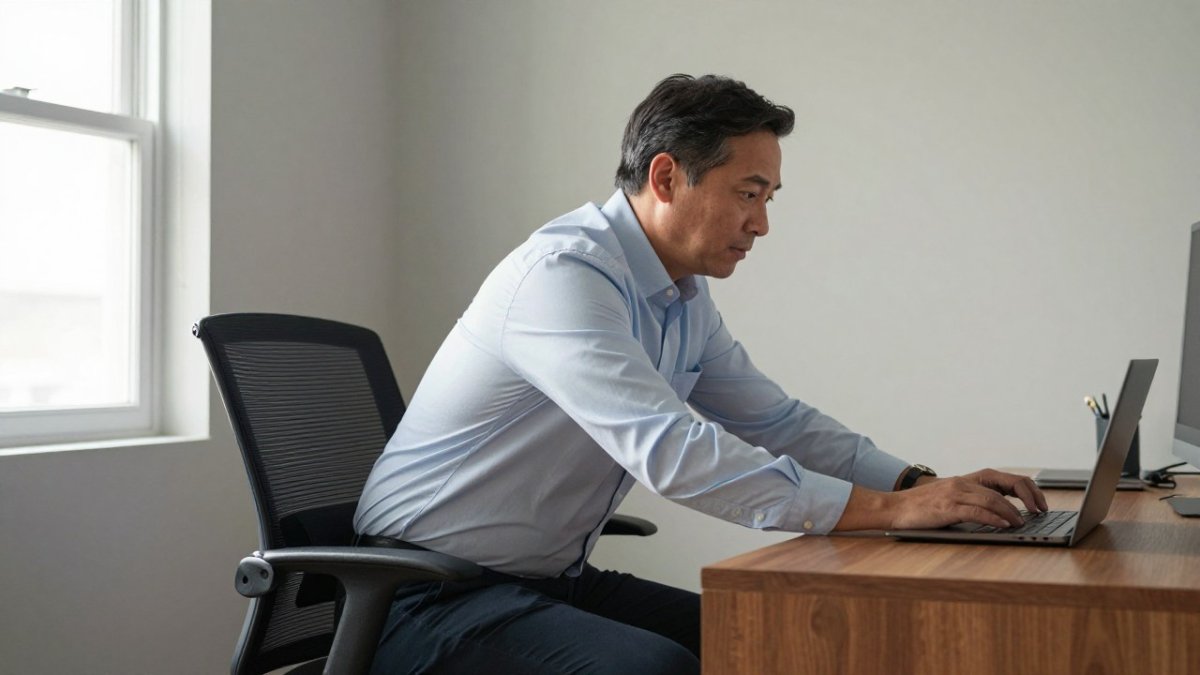
- Prolonged sitting that keeps the hips and lower back in one position
- Sudden strain from lifting, twisting, or reaching
- Repetitive movement from work, sports, or exercise
- Poor sleep or stress, which can keep muscles tight
Not all lower back pain is inflammation. Muscle tension, disc irritation, and nerve issues can produce similar pain, which is why a careful assessment matters. National Center for Complementary and Integrative Health's overview of low-back pain and complementary approaches
Heat or Ice for Lower Back Pain: Which Works Better and When
Many people reach for a heating pad or an ice pack without knowing which to use. The choice depends less on habit and more on what your back is doing right now. Neither is a cure, and neither works for every cause of back pain.
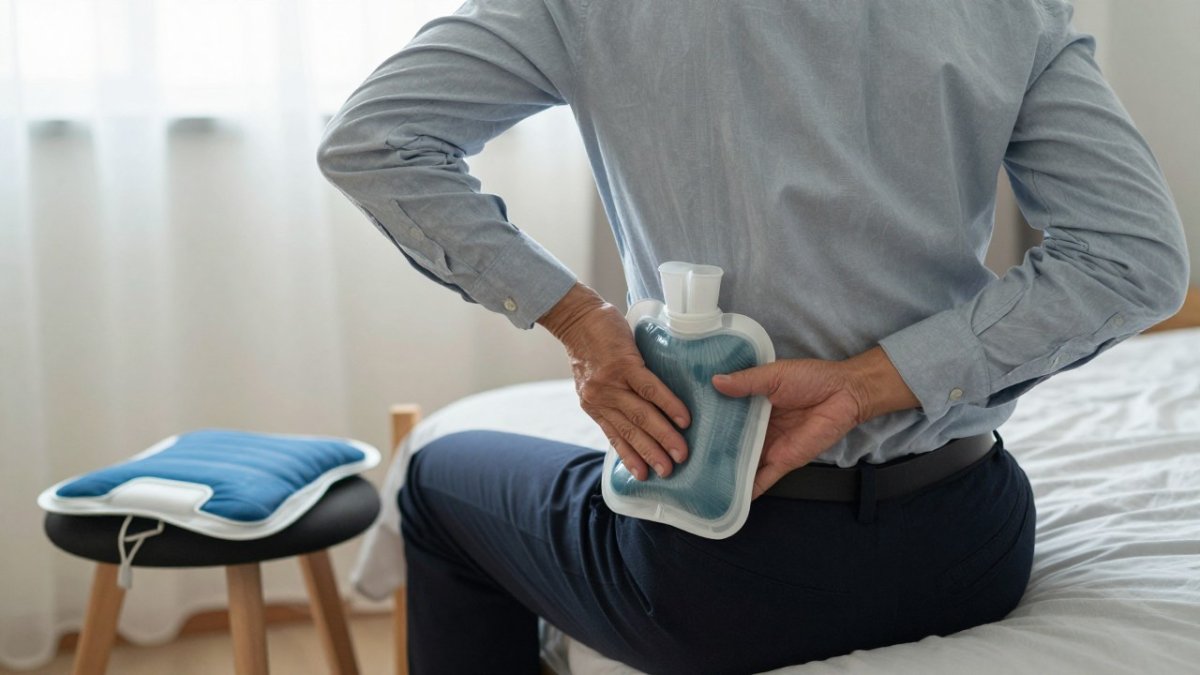
A practical way to decide:
- Use ice in the first 24 to 48 hours after a new strain or flare-up, when the area feels warm, swollen, or sharply painful. Apply for 10 to 15 minutes at a time, with at least an hour between sessions.
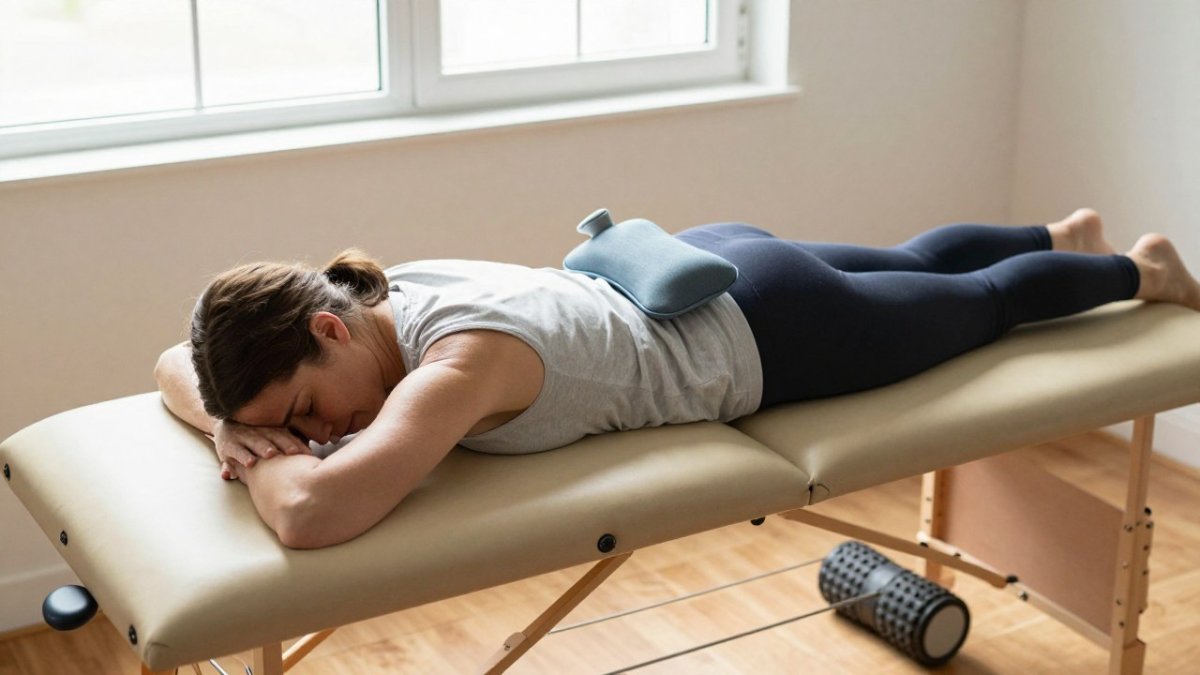
- Use heat for stiffness, muscle tightness, or an ache that worsens after rest and improves with movement. Apply for 15 to 20 minutes at a time.
- Wrap the pack in a towel to protect your skin, and never fall asleep with a heating pad or ice pack in place.
- Stop if the area feels numb, burns, or gets worse.
Watch out: heat can increase swelling if used too early on a fresh injury, and ice can make stiffness worse if the underlying problem is muscle tightness rather than inflammation. If you are unsure which pattern fits you, try one approach for a day and note whether the pain eases or intensifies.
Individual responses vary, so a quick check of what works for you is worth the effort. If you have diabetes, poor circulation, or reduced sensation in your legs, talk with a clinician before using either approach, because you may not feel a burn or cold injury until damage is done. National Center for Complementary and Integrative Health's overview of low-back pain and complementary approaches
Exercises for Lower Back Pain Relief You Can Start Today
Gentle movement is one approach many people find helpful for back pain. Keeping the spine mobile helps reduce stiffness and supports circulation.
Try these simple movements, moving slowly and stopping if pain increases:
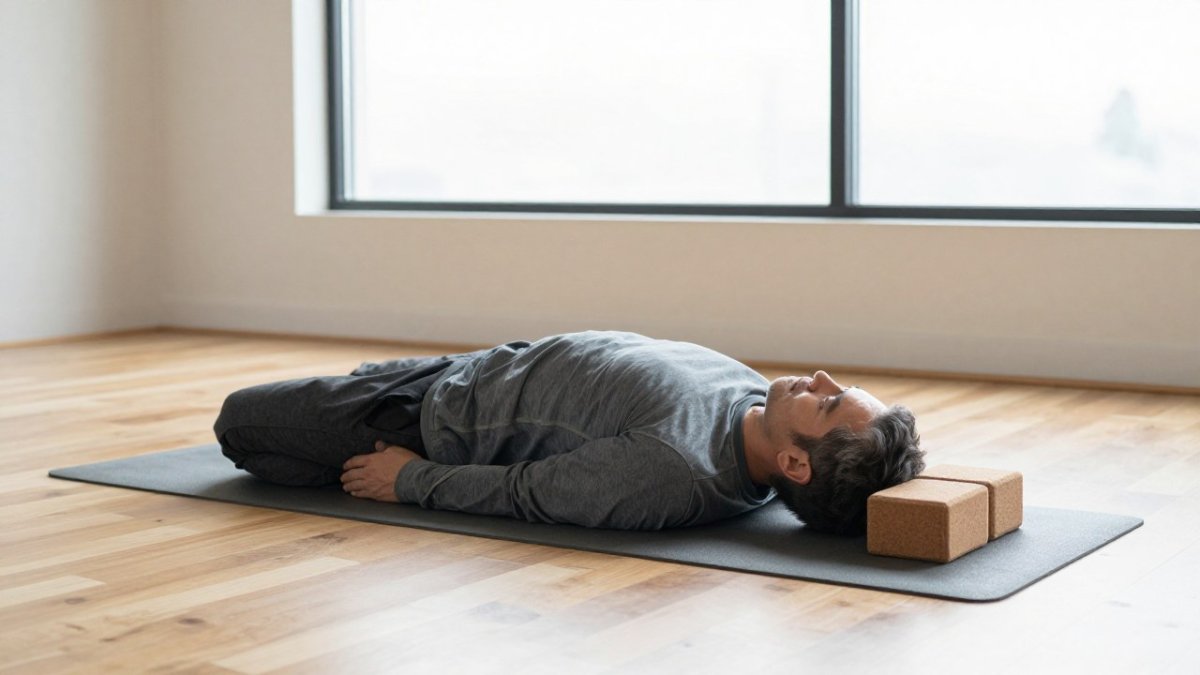
- Knee-to-chest stretch: Lie on your back and gently pull one knee toward your chest. Hold for 20 seconds, then switch sides.
- Cat-cow stretch: On hands and knees, alternate arching and rounding your back for 8 to 10 slow repetitions.
- Pelvic tilts: Lying on your back with knees bent, gently flatten your lower back against the floor, then relax.
Movement that feels like a mild stretch is usually appropriate. Sharp pain, numbness, or tingling are signals to stop and seek advice. A physical therapist can help identify which movements affect your symptoms, so the exercises you choose should be tailored to your own response. You can learn more about structured self-treatment through the McKenzie Method, which teaches movement-based approaches for spine and extremity pain.
Staying Active and Breaking Up Prolonged Sitting
Long periods without moving can make inflammation and stiffness worse. Many professionals in Michigan spend most of their day seated, so small changes add up.
Consider these habits:
- Stand and walk for two to three minutes every hour
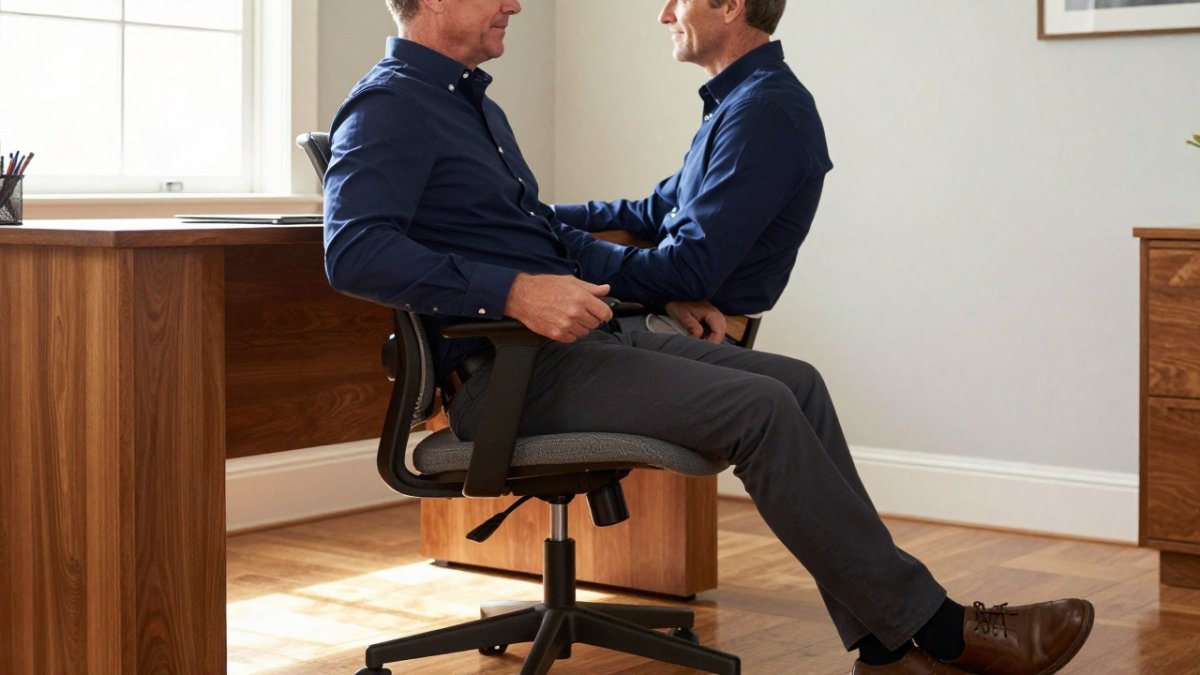
- Adjust your chair so your feet rest flat and your hips sit slightly above your knees
- Use a standing desk for part of the day if your job allows it
- Take a short walk during lunch rather than staying seated
Staying active is not about pushing through pain. It is about keeping the back moving within a comfortable range. Gradual activity, such as walking, is often a good starting point.
An Anti-Inflammatory Diet for Back Pain: What to Eat and Limit
Diet alone will not resolve back pain, but certain eating patterns may support your body's inflammatory balance over time. Research on dietary patterns is still developing, so think of these as supportive habits rather than guaranteed fixes.
Foods to emphasize:
- Vegetables and fresh fruit, especially leafy greens and berries
- Fatty fish such as salmon or sardines, which provide omega-3 fatty acids
- Whole grains, beans, and lean protein
- Olive oil and nuts
Foods to limit:
- Highly processed snacks and fried foods
- Sugary drinks and sweets
- Excess refined carbohydrates
Staying at a healthy weight and getting good sleep also play a role in how your body handles strain and inflammation.
Natural Supplements for Back Pain: What the Evidence Says
Many people look to supplements such as turmeric, fish oil, ginger, or tart cherry for back pain support. The evidence for these products varies widely, and quality differs between brands. Supplements can also interact with medications or cause side effects, so it is important to speak with your doctor before starting any new product.
A realistic look at the evidence:
- Omega-3 fatty acids (fish oil): Some evidence suggests they may support inflammatory balance, but studies on back pain specifically are limited and mixed. They can increase bleeding risk, especially if you take blood thinners.
- Turmeric (curcumin): Early research is promising for some inflammatory conditions, but evidence for lower back pain is not strong enough to recommend it as a stand-alone treatment. It can interact with blood thinners and may cause stomach upset.
- Ginger: Small studies suggest possible anti-inflammatory effects, but evidence for back pain is limited. It may interact with blood thinners.
- Tart cherry: Often promoted for recovery and inflammation, but evidence for back pain is preliminary. It may affect blood sugar and interact with some medications.
Keep these points in mind:
- Evidence for most supplements is limited or mixed, and no supplement replaces an assessment or treatment plan.
- Choose products tested by a third party when possible, and look for a seal from a recognized testing program.
- Report any unusual symptoms to your provider right away.
Watch out: supplements are not regulated for effectiveness before they are sold, and labels do not always match contents. If you take prescription medication, especially blood thinners, check with your doctor or pharmacist before adding any supplement. If your back pain lasts longer than a few weeks or keeps returning, a physical therapy evaluation can help identify the underlying cause rather than relying on supplements alone.
Building a Sequenced Self-Care Plan and Tracking Your Response
Pulling these strategies together works better than trying everything at once. A simple sequence might look like this:
- Days 1 to 2: Use ice for fresh flare-ups and keep moving gently
- Days 3 to 5: Add heat for stiffness and gentle stretches
- Week 2 onward: Build in regular walking, posture breaks, and mobility work
Track your progress each day with a short note: your pain level from 0 to 10, what you did, and how you slept. Patterns may become clearer over time. If your symptoms are not improving, or you notice a pattern that worries you, it is time to get a professional opinion rather than pushing harder on self-care.
Booking Your Next Step: When to See a Physical Therapist
Some symptoms need prompt medical attention rather than self-care. Seek care right away if you have new numbness or weakness in the legs, loss of bladder or bowel control, fever with back pain, or pain after a significant injury.
If your back pain lasts longer than a few weeks, keeps returning, or limits your work or daily activities, a physical therapy evaluation can help identify the underlying cause. At Spinal Haven, Dr. Elizabeth Kingshott Cary, PT, DPT, offers one-on-one assessments, and sessions are available in person or virtually. You can schedule a 15-minute discovery call to see whether one-on-one spinal physical therapy is a good fit for you, or explore our back pain physical therapy services to learn how we assess and treat acute and chronic back pain.
Readers who have tried self-care without lasting relief often find it helpful to read why physical therapy sometimes fails and what to do next. Spinal Haven's services include movement-based assessment for people who want to restore movement.
Frequently Asked Questions
How do you get rid of lower back inflammation fast?
No method guarantees fast relief, but many people with lower back pain describe short-term improvement from a combination of approaches: applying ice or a cold pack for the first day or two of a flare, switching to gentle heat afterward, staying as active as comfort allows, and avoiding long periods of static sitting. Measure progress over several days rather than hours. If pain is severe, worsening, or accompanied by numbness, weakness, or bladder or bowel changes, contact a qualified health professional promptly rather than relying on self-care alone.
Is heat or ice better for lower back pain?
Ice is often used in the first few days after a flare to help with swelling and sharp pain, while heat tends to suit stiff, tight muscles and general soreness. Many people find that one or the other feels better, and that the answer changes as symptoms settle. Apply either for short sessions and protect the skin with a cloth. Because the right choice depends on cause and duration, a physical therapist can help you decide which fits your situation.
Can an anti-inflammatory diet help with back pain?
An anti-inflammatory eating pattern built around vegetables, fruit, whole grains, lean protein, and fish rich in omega-3 fatty acids is generally considered a healthy approach, and it may support a healthy weight, which affects spinal load. Research on diet and back pain specifically is limited, so treat dietary changes as one supporting habit rather than a cure. Reducing processed foods and added sugar is a practical starting point for most adults.
When should you seek medical care for lower back pain?
Seek prompt medical attention if lower back pain comes with numbness or weakness in the legs, loss of bladder or bowel control, fever, unexplained weight loss, or pain following an injury. Pain that does not improve after a few weeks of self-care, or that keeps you from working or sleeping, also warrants a professional evaluation. A physical therapist or physician can assess the cause and recommend a plan suited to your symptoms.