 how-to
How to Manage Chronic Back Pain Without Surgery
Table of Contents
- Understanding Chronic Back Pain and Its Root Causes
- When to Seek Medical Care for Back Pain
- Physical Therapy for Chronic Back Pain: A Foundation for Recovery
- Exercises for Chronic Lower Back Pain
- How to Sleep with Back Pain
- Non-Surgical Pain Management Strategies
- Building a Long-Term Self-Management Plan
- Frequently Asked Questions
Last Updated: October 6, 2026
Understanding Chronic Back Pain and Its Root Causes
Chronic back pain affects millions of active adults. When pain persists beyond three months, it shifts from acute injury into a pattern your nervous system maintains. Understanding what drives your pain is the first step toward learning to manage chronic back pain without surgery.
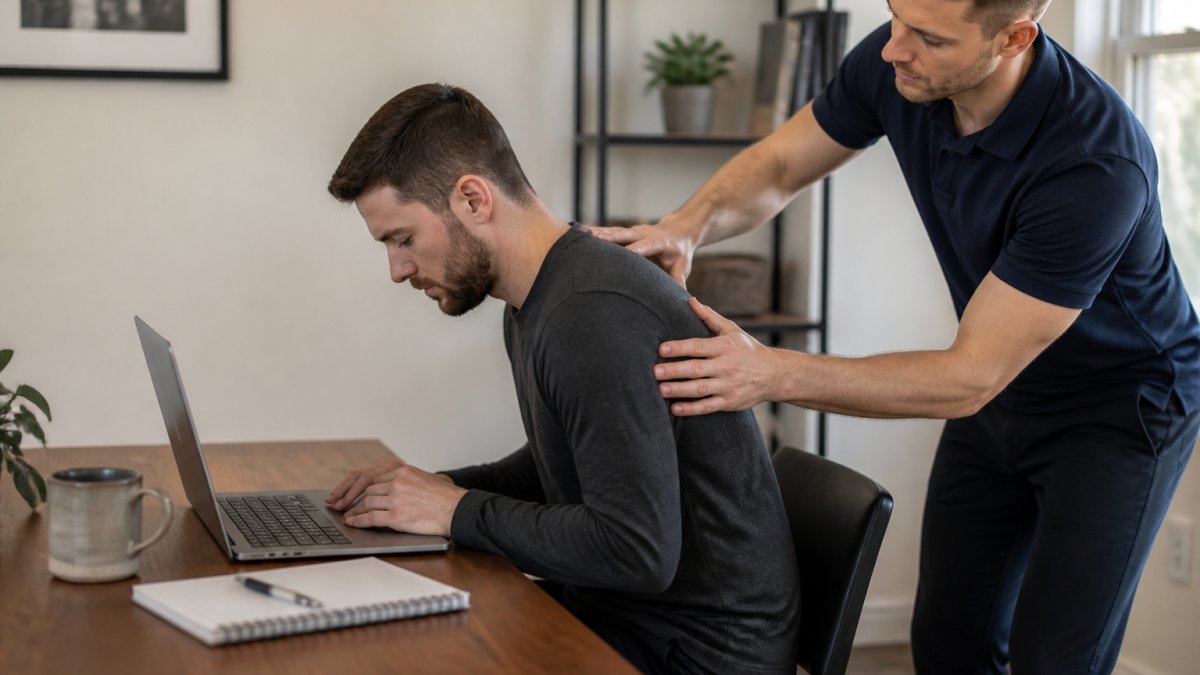
Most people assume back pain stems from a single structural problem, a bulging disc, arthritis, or muscle strain. But chronic pain involves inflammation, muscle guarding, movement patterns, and how your body interprets pain signals.
The root causes vary widely:
- Movement dysfunction, Poor posture, muscle imbalances, or movement patterns that strain your spine
- Muscle weakness, Insufficient core and back strength to support your spine during daily activities
- Inflammation, Ongoing inflammatory responses in joints, discs, or soft tissues
- Nerve irritation, Pressure on nerve roots causing referred pain or radiating symptoms
- Lifestyle factors, Stress, poor sleep, sedentary work, or repetitive strain
A common mistake is treating pain as purely structural. Discs bulge for reasons, movement patterns, muscle weakness, inflammation. Address those drivers, and pain often improves even if the disc never fully "heals."
When to Seek Medical Care for Back Pain
Not all back pain requires immediate attention, but certain red flags demand urgent evaluation.
Seek immediate medical care if you experience:
- Severe pain that came on suddenly after trauma or fall
- Loss of bowel or bladder control (cauda equina syndrome)
- Numbness in your groin, buttocks, or inner thighs
- Unexplained fever with back pain
- Progressive neurological symptoms (increasing weakness, numbness spreading)
- Pain after cancer diagnosis or immunosuppression
- Unintentional weight loss with back pain
- Night pain that wakes you and doesn't improve with position changes
Schedule a routine evaluation with your doctor or physical therapist if:
- Pain persists beyond four weeks despite home care
- Pain interferes with work, sleep, or daily activities
- You have recurrent episodes of disabling pain
- Symptoms are worsening despite your efforts
- You're unsure whether conservative care is appropriate for your situation
The goal of early evaluation isn't to "fix" the problem immediately. It's to rule out serious conditions, understand your pain pattern, and start evidence-based conservative care. Most chronic back pain improves with the right physical therapy and self-management.
Physical Therapy for Chronic Back Pain: A Foundation for Recovery
Physical therapy remains the gold standard for helping you manage chronic back pain without surgery, but generic protocols miss the individual drivers of your pain.
Effective physical therapy starts with a thorough assessment. Your therapist should identify:
- Which movements increase or decrease your pain
- Muscle strength and endurance deficits
- Movement patterns that strain your spine
- How your pain responds to specific positions or activities
A therapist trained in the McKenzie Method® and SFMA can pinpoint directional preferences, movements that centralize pain or improve symptoms, and build a recovery plan around them.
Physical therapy typically progresses through phases:
Phase 1: Pain management and protection, Identify safe positions and movements. Use heat, ice, or specific postures to reduce pain signals, and begin gentle mobility work.
Phase 2: Active rehabilitation, Progress to controlled exercises that build strength without aggravating symptoms. Focus on core stability and movement quality.
Phase 3: Functional strengthening, Train your body for real-world demands: lifting, bending, prolonged sitting, or sports-specific movements.
Phase 4: Long-term self-management, Learn to recognize early warning signs, perform maintenance exercises, and adjust activity as needed.
Timelines vary: some see meaningful improvement in 4-6 weeks, others need 12-16 weeks.
Exercises for Chronic Lower Back Pain
Specific exercises reduce pain and rebuild strength, but the wrong ones aggravate symptoms. Start conservatively and progress as symptoms improve.
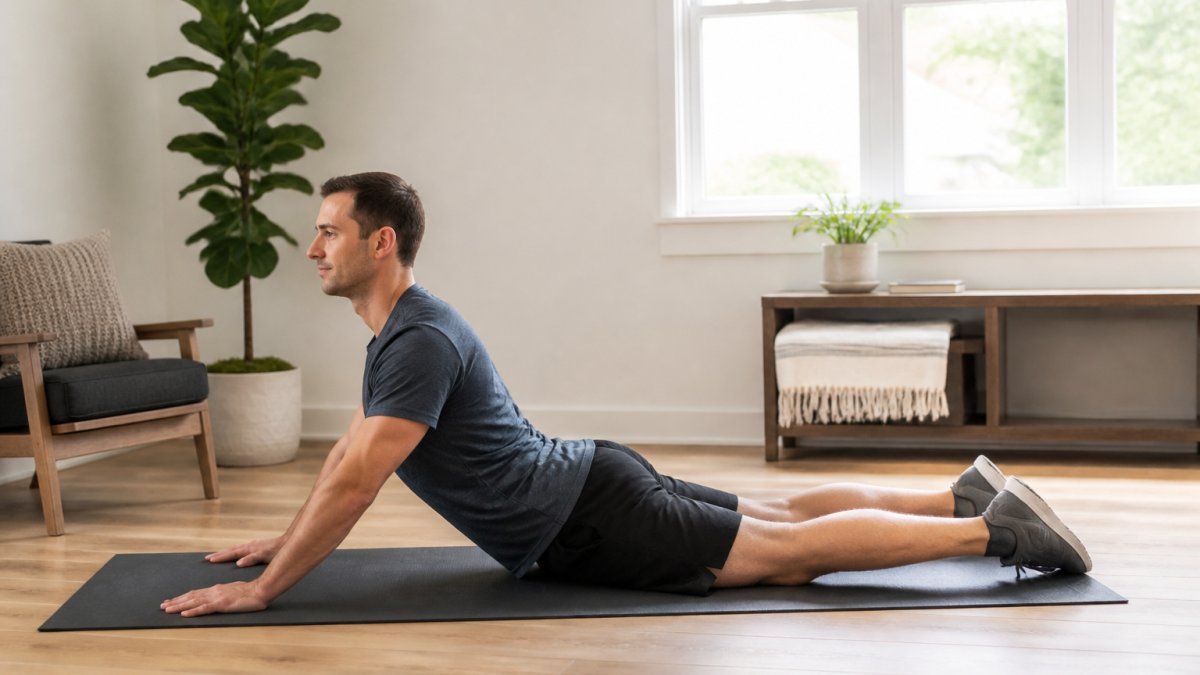
Begin with these foundational movements:
Prone press-ups, Lie face-down with hands under your shoulders. Gently press your upper body upward, keeping your pelvis relaxed. Hold 2-3 seconds. Repeat 10 times. This centralizes pain for many people with lower back pain.
Quadruped bird-dogs, Start on hands and knees. Extend your right arm forward and left leg backward. Hold 3-5 seconds. Return to center. Alternate sides.
Glute bridges, Lie on your back with knees bent and feet flat. Squeeze your glutes and lift your hips toward the ceiling. Hold 2 seconds.
Dead bugs, Lie on your back. Lift your right arm overhead while extending your left leg. Return to center. Alternate sides. Perform 10 repetitions per side.
Quadriceps stretches, Stand and pull one foot toward your buttock. Hold 30 seconds. Perform 2-3 repetitions per side.
Progress gradually: start with 1 set of each exercise; after 2-3 weeks, add a second.
How to Sleep with Back Pain
Sleep and chronic pain share a bidirectional relationship most guides understate.
Why sleep matters for chronic back pain
During deep sleep, your body releases growth hormone, repairs connective tissue, and clears inflammatory markers.
A staged approach to sleep improvement
Stage 1: Optimize your sleep position (Week 1)
The goal is neutral spine alignment, your spine maintains its natural curve whether standing or lying down.
- Side sleeping: Place a pillow between your knees to prevent your top leg from pulling your pelvis into rotation. Choose a pillow height that keeps your head level with your spine, not tilted up or down. This is the most commonly recommended position for lower back pain because it preserves the natural lumbar curve.
- Back sleeping: Place a pillow or rolled towel under your knees. This flattens the lumbar curve slightly and reduces pressure on discs and facet joints. If you have both back and neck pain, a contoured pillow can help maintain cervical alignment.
- Avoid stomach sleeping: This position rotates your spine and strains your neck. If you cannot sleep any other way, place a thin pillow under your pelvis to reduce lumbar extension.
Stage 2: Evaluate your mattress and bedding (Week 2)
Mattress firmness is highly individual, but a few principles apply broadly.
Stage 3: Build sleep hygiene that supports pain management (Week 3)
- Keep your bedroom cool, around 65 to 68 degrees Fahrenheit, because heat can increase inflammation and disrupt sleep.
- Maintain consistent sleep and wake times, even on weekends. Your nervous system regulates pain partly through circadian rhythms.
- Avoid screens for 30 minutes before bed. Blue light suppresses melatonin, the hormone that initiates sleep.
- Limit caffeine after 2 p.m. Caffeine has a half-life of about five to six hours, meaning half of your afternoon coffee is still in your system at bedtime.
- If pain wakes you, change position or apply ice or heat before getting up. Lying in bed frustrated reinforces the association between bed and pain.
Stage 4: Address pain that disrupts sleep (Ongoing)
Grab a Free Discovery Call Today →
If pain consistently wakes you or prevents you from falling asleep, adjust your pain management plan, not just your sleep habits.
What to expect
Most people notice meaningful sleep improvement within one to two weeks of consistent effort, with daytime pain following within two to four weeks.
Non-Surgical Pain Management Strategies
Managing chronic back pain without surgery isn't about finding one perfect treatment.
Heat and cold therapy
Manual therapy
Massage, myofascial release, and other hands-on techniques reduce muscle tension and improve short-term mobility.
Physical therapy and active rehabilitation
This is the foundation of non-surgical care. The McKenzie Method and Selective Functional Movement Assessment help therapists tailor exercise to your directional preference.
Medication: what to know and what to ask
Over-the-counter pain relievers like ibuprofen and acetaminophen help during flare-ups but aren't a long-term solution.
Prescription medications, muscle relaxants, gabapentinoids, and certain antidepressants, are sometimes used for chronic pain.
Before starting or changing any medication, ask your healthcare provider:
- What is the goal of this medication, and how will we know if it is working?
- How long should I take it, and what is the plan for tapering off?
- What are the risks of long-term use for someone with my health profile?
- Are there interactions with my other medications or supplements?
- What non-medication strategies should I prioritize alongside this?
Mindfulness and stress management
Chronic pain and stress reinforce each other: stress increases muscle tension and pain sensitivity, and pain increases stress.
Evidence quality and realistic expectations
Not all non-surgical treatments have the same evidence.
A realistic expectation is not zero pain. It's meaningful improvement in function, reduced flare-up frequency, and better quality of life.
Shared decision-making: choosing among treatments
There's no single right combination. The best plan depends on your pain pattern, goals, health history, and what you can realistically sustain. Use these questions to guide conversations with your provider:
- What is the likely benefit of this treatment for someone like me?
- What are the limitations or downsides?
- How does this fit with the other things I am doing?
- What would happen if we waited or tried something else first?
- How will we measure whether this is working?
Coordinating care across clinicians
Many people see multiple providers: a primary care doctor, a physical therapist, a pain specialist, perhaps a psychologist. Coordination matters.
Building a Long-Term Self-Management Plan
The goal of treatment is independence: understanding your pain, knowing what helps, and managing flare-ups without professional intervention every time.
A sustainable self-management plan includes:
1. Your pain pattern, Know your directional preference. Which movements increase pain? Which reduce it? What positions feel safe? Document this clearly.
2. Your exercise routine, Identify 5-7 key exercises that work for your pain. Perform them 3-4 times per week.
3. Activity modification, Understand your activity tolerance. Gradually progress activities. Avoid prolonged static positions. Take movement breaks during work.
4. Early warning signs, Recognize when pain is returning. Increased morning stiffness? Pain with specific activities?
5. Flare-up protocol, When pain increases, know your response: Which exercises help? Heat or cold? Reduced activity temporarily? Professional reassessment?
**6.
Most people need periodic professional check-ins, perhaps quarterly, to ensure they're progressing. Between visits, you should manage independently.
Managing chronic back pain without surgery is achievable.
Frequently Asked Questions
Can physical therapy actually help manage chronic back pain without surgery?
Yes. Physical therapy addresses the root causes of chronic back pain through targeted movement, strengthening, and education. A therapist trained in evidence-based methods like the McKenzie Method or Selective Functional Movement Assessment can identify what movements or positions influence your symptoms, then teach you how to manage them independently. Many patients avoid surgery by committing to a structured physical therapy program and practicing self-management strategies at home.
What exercises are safe for chronic lower back pain?
Safe exercises depend on what movements reduce or increase your symptoms. Generally, gentle stretching, core strengthening, and low-impact activities like walking or swimming help most people. Avoid heavy lifting or high-impact movements early on. Work with a physical therapist to identify which exercises are right for your specific situation—what helps one person may irritate another's pain. Start slowly and progress gradually as your strength and confidence improve.
How should I sleep if I have chronic back pain?
Sleep position matters. Side sleeping with a pillow between your knees, or back sleeping with a pillow under your knees, reduces strain on your spine. Avoid stomach sleeping, which twists your neck and lower back. Use a supportive mattress and pillow that maintain neutral spine alignment. If pain wakes you at night, try heat therapy before bed or adjust your sleeping position. Consistent sleep improves healing and reduces inflammation, so prioritize sleep quality as part of your pain management plan.
When should I see a doctor about chronic back pain?
Seek immediate medical evaluation if you experience severe pain, sudden loss of bowel or bladder control, numbness in the groin or legs, progressive weakness, fever with back pain, or pain after trauma or injury. For ongoing chronic pain, consult a healthcare provider if over-the-counter approaches don't help after several weeks, or if pain limits your daily activities. A doctor can rule out serious conditions and recommend appropriate treatment, which may include physical therapy, imaging, or other interventions.